
Europe Intensifies Boycott of Israeli Settlement Products Amid Growing Economic Pressure
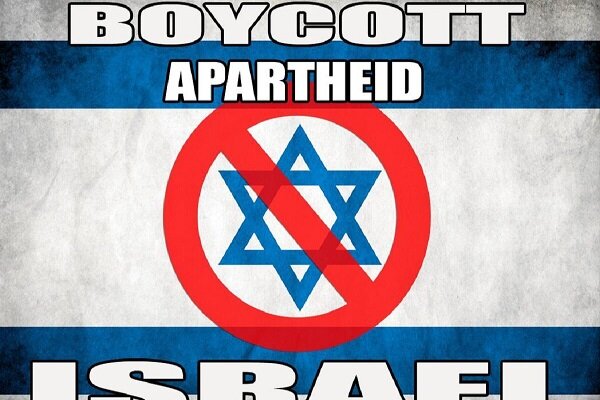
According to the International Desk of Webangah News Agency, the Israeli newspaper “Israel Hayom” has reported that European actions targeting trade with settlements in the occupied West Bank are broadening. The report highlights Israeli warnings that these measures could escalate into more extensive economic and political limitations.
These initiatives involve countries such as Spain, Ireland, and the Netherlands, which have previously implemented restrictions on imports from Israeli settlements. Concurrently, the United Kingdom, France, and Canada have announced their intentions to adopt similar measures. Belgium and Norway are also reportedly working towards enacting new legislation in this regard.
The actions taken by the Netherlands are particularly noteworthy, as a ban implemented by Amsterdam came into effect last week. This prohibition extends beyond mere imports and sales to include settlement products carried by travelers in their luggage.
The newspaper further stated that the Israeli Ministry of Foreign Affairs has alerted settlers traveling to the Netherlands that their belongings may be subjected to lengthy and thorough inspections.
According to the publication, Israel’s concerns are not confined to direct commercial losses. Tel Aviv fears that what it terms a “silent boycott” could lead European companies, banks, and insurance firms to avoid dealings with Israeli products or companies due to apprehension over violating restrictions.
Meanwhile, discussions continue across Europe regarding the implementation of wider limitations. However, some European countries currently oppose certain measures, and there are indications that a wait-and-see approach is being adopted pending the results of Israeli domestic elections before further decisions are made.
The report identifies the suspension of the cooperation agreement between the Israeli cabinet and the European Union as the most perilous scenario. While some nations support this option, it is not currently being practically considered.
Regarding the potential economic repercussions of these sanctions, the report cites estimates from the “Mitvim” institute. It suggests that while the direct impact on exports from settlements might be relatively limited, the greater risk lies in indirect consequences. European companies could reduce engagement with Israeli goods or face delays in shipments due to difficulties in verifying product origins as a result of these boycotts.


