
Global Economy Faces Unprecedented Inflationary Recession If US Strikes Iran Again
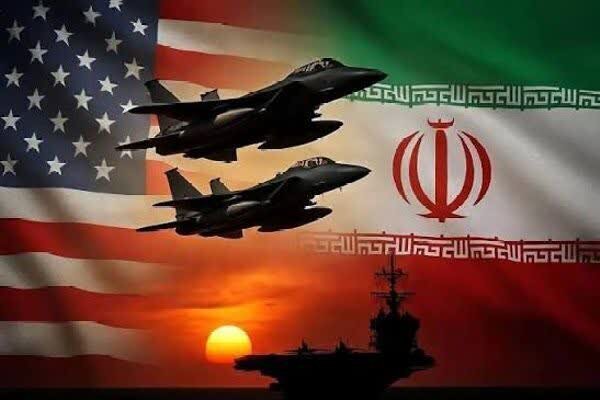
According to the International Desk of Webangah News Agency, renewed military conflict with Iran, involving the United States and Israel, risks inflicting a devastating blow upon the global economy, challenging all supply chains, energy costs, and food security across the world. This crisis is primarily centered on the Strait of Hormuz, a vital waterway through which one-fifth of the world’s oil and gas passes, controlling the pulse of energy trade.
The blockage of this strategic chokepoint has halted traffic for oil tankers and liquefied natural gas carriers, causing energy prices to skyrocket in global markets. This significant shock has not only led to increased gasoline and fuel costs but, due to the interconnectedness of the global economy, has also drastically raised the production costs for chemical fertilizers, metal industries, maritime logistics, and goods transit, unleashing a wave of debilitating inflation into consumer markets. This situation underscores the vulnerability of the modern global economy to the security of this narrow water route.
Economic Winners and Losers of an Iran Conflict
This deep crisis has disproportionately impacted the economies of Middle Eastern countries, turning the tables against regional capitals. Reports from international financial institutions indicate that regional economies are facing unprecedented contraction. Even large, emerging economies like the United Arab Emirates and the Kingdom of Saudi Arabia, which had made substantial investments to reduce their reliance on oil, could not insulate themselves from the repercussions of this tsunami. The non-oil sectors of these countries, dependent on regional stability, free trade, and the smooth flow of energy, experienced a downturn in economic growth rates with the closure of the Strait of Hormuz and the disruption of the tourism and financial services industries. While countries such as Qatar and Kuwait suffered the most severe blows, Oman managed to record positive growth due to its geographical advantage. Conversely, Iran, leveraging its own infrastructure, found an opportunity to strengthen its value chain and move away from crude oil sales by developing its refining and petrochemical industries.
Global Market Tremors
The spillover effects of this confrontation have also severely destabilized the economies of large Asian and Western nations. China, the world’s manufacturing powerhouse, and India, a major energy consumer in the region, have faced soaring production costs, trade deficits, and a decline in their national currency values. Stock markets in Seoul and Tokyo have witnessed unprecedented plunges. In Europe, economic growth has been stifled by heavy energy inflation and the rising costs of electricity and fuel. Even within the United States, the exorbitant costs of this conflict, including surging gasoline prices and consumer goods like imported fruits, have drawn public outcry. This conflict has also imposed an average financial burden of approximately $2,000 on each American household, exacerbating political divisions on the eve of elections. Western policymakers have been compelled to tap into their strategic oil reserves to quell voter anger.
Meanwhile, the global financial system is struggling under a mountain of public debt and deep inequalities. The global economic growth engine has become severely imbalanced, with the bulk of growth resting on the shoulders of a few countries. While emerging and developing economies are battling the risk of falling into poverty due to successive energy shocks, climate change, and exorbitant borrowing costs, new technologies and the wave of artificial intelligence have provided some respite for advanced economies. However, these tools have not been able to mask financial bubbles and concerns arising from labor displacement and the unemployment of millions. Dozens of countries worldwide have sought assistance from international institutions to avert crises in essential goods supply, as government subsidies and savings for supporting vulnerable populations have been depleted.
The Bottom Line
Given this bleak and interconnected global economic landscape, if the United States commits the strategic error of launching another attack against Iran, the world economy will undoubtedly be propelled into an unprecedented and irreparable inflationary recession. A renewed attack would mean the permanent and comprehensive closure of the Strait of Hormuz, the complete destruction of energy infrastructure in the Persian Gulf, and oil prices soaring to unimaginable figures. In such a catastrophic scenario, global transit would be paralyzed, food and grain supply chains would collapse, major financial markets would crumble, and rampant inflation would devastate the livelihoods of billions across the globe. The continuation or repetition of military adventurism is not merely a regional escalation; it signifies pressing the button for the destruction of the global economy and returning humanity to an era of darkness, famine, and financial crises, the destructive consequences of which will take decades to heal.
In such a climate, even major industrial powers would lose the capacity to manage waves of migration, the bankruptcy of commercial banks, and the collapse of the international trading system. The exorbitant costs of this economic self-consumption would incinerate all of humanity’s recent achievements in welfare and sustainable development due to political mismanagement. This is an outcome that no rational government in the international system should permit.
Recent threats from Major General Mohsen Rezaei, the Secretary and Representative of the Supreme Leader in the Supreme National Security Council, regarding targeting US-affiliated economic infrastructure in the region, particularly the United Arab Emirates, indicate that Tehran has identified the enemy’s Achilles’ heel more than ever before and intends to deter further attacks on Iranian territory by striking energy infrastructure, artificial intelligence, the internet, multinational corporations, and strategic ports in the southern Persian Gulf. It remains to be seen whether Donald Trump, caught in a ‘credibility trap,’ will take the biggest gamble of his life and end the ‘American Century,’ or if he will heed the advice of his economic advisors to avoid renewed military confrontation with Tehran and move towards de-escalation and subsequent withdrawal from war with Iran.


