Iran Foreign Minister Emphasizes Comprehensive Defense Readiness and Regional Ceasefire Efforts
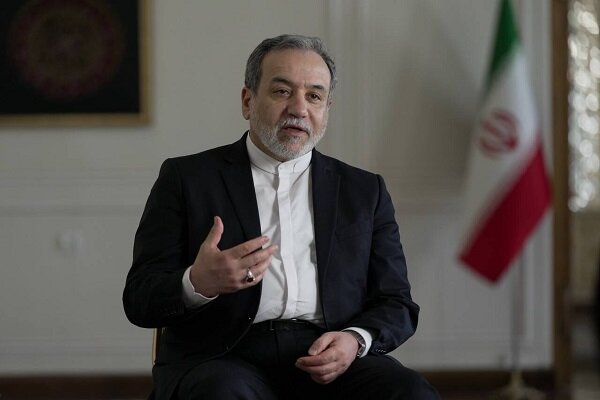
According to the International Desk of Webangah News Agency, Iranian Foreign Minister Abbas Araghchi stated in an interview with Al Jazeera television network that a communication sent by U.S. officials has been carefully examined and discussed in high-level meetings. He assessed Washington’s attempt to open pathways for broader dialogue and understanding as a positive step.
The Iranian top diplomat warned that if the U.S. intention behind sending the message is merely to create political noise, it would constitute another miscalculation added to their list of previous errors. He also clarified that there are currently no plans for a meeting with American officials, dismissing related discussions as mere media speculation.
Araghchi added that under present circumstances, no necessity is seen for direct engagement with the Americans, emphasizing that Tehran’s positions are completely transparent while mediators continue their diplomatic efforts. He noted that deciding whether future talks will be direct or indirect depends entirely on Washington’s agreement to Iran’s conditions.
According to the Foreign Minister, an Iranian delegation is currently stationed in Doha, and his deputy is also in Qatar to advance consultations through Qatari and Pakistani intermediaries regarding Iran’s terms. He expressed appreciation for the ongoing contacts and efforts made by these regional mediators.
Referring to proposals presented by mediators concerning the nuclear file, Araghchi pointed out that these matters are currently being reviewed as part of the second phase. He emphasized that Iran’s plan remains the sole viable option on the table for reopening the Strait of Hormuz, noting that following Qatar’s suggestion to reduce the implementation period of the plan to five days, Tehran has now received a proposal shortening the timeframe to just two days.
Araghchi outlined Iran’s conditions, which include lifting sanctions imposed after the Islamabad agreement, reducing U.S. military forces in the region, restoring oil exemptions, and unfreezing all blocked national assets, including financial resources held in Qatar. He also stipulated the official recognition of the newly established shipping lane with the Sultanate of Oman in the Strait of Hormuz alongside the closure of alternative routes.
In another segment of the interview, he linked the reopening of the Strait of Hormuz under Islamic Republic terms to the resumption of talks with Washington regarding unresolved dossiers, stressing: ‘We do not rule out the possibility of war and are fully prepared for all scenarios. We have modernized our weapons, addressed vulnerabilities, tested new armaments, and our forces stand at the peak of readiness.’
Concluding his remarks, the Foreign Minister noted that Iran is a signatory to the Treaty on the Non-Proliferation of Nuclear Weapons and remains fully committed to its obligations, while pointing out that nuclear facilities operating under IAEA oversight have faced attacks despite the international agency lacking specific protocols to inspect such incidents.