US Voters Prioritize Government Corruption Over Welfare Fraud Amid Trump Administration Focus
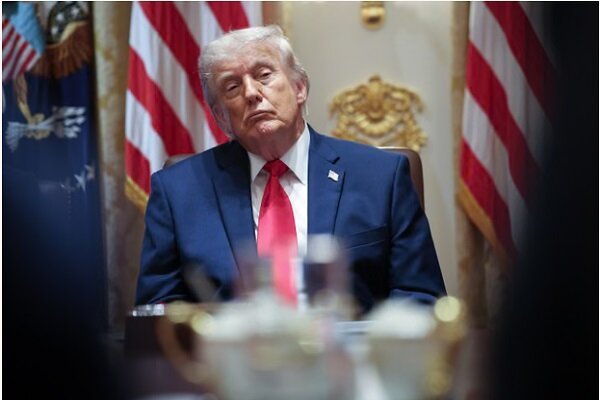
According to the International Desk of Webangah News Agency, the Guardian reports that the administration of President Donald Trump has shifted its focus toward investigating fraud within welfare programs, aiming to ramp up measures against potential abuses of social assistance and government health insurance. Nevertheless, public opinion polls indicate that government corruption and official conflicts of interest remain at the forefront of voters’ concerns across the country.
In a recent development, an anti-fraud oversight group associated with U.S. Vice President JD Vance announced the detection of a $40 million embezzlement scheme within a food assistance initiative. Furthermore, the Vice President previously disclosed the termination of health insurance coverage for nearly 760,000 subscribers under the Affordable Care Act due to fraud allegations.
In alignment with these efforts, President Trump has proposed financial rewards for whistleblowers who expose budgetary waste and misuse of public funds.
Findings from a Harris poll conducted in October for the Guardian indicate that government corruption ranks as the second-biggest concern for voters, trailing only inflation and the cost of living. According to the data, 87 percent of participants view corruption as a major problem in the United States, while 65 percent of midterm voters consider it a serious challenge.
The root cause of these anxieties stems from the apprehension that elected officials may prioritize personal interests or the agendas of political donors over the public good. Additionally, the standing of the United States in the Corruption Perceptions Index published by Transparency International has declined from 18th place in 2016 to 29th.
In another segment of its report, the Guardian criticized business activities involving the Trump family during their tenure in the White House, particularly within the cryptocurrency market. The report notes that during his first year back in power, Trump generated nearly $2.2 billion in revenue, with the cryptocurrency sector accounting for approximately $1.4 billion of that total.
The publication also scrutinized commercial ties between Trump’s associates and foreign investors and governments, including Qatar and the United Arab Emirates. Democratic lawmakers have characterized these connections as potential instances of financial exploitation stemming from political office; conversely, the White House has strongly rejected any claims of conflicts of interest or links between financial contributions and political pardons.