Trump Faces Midterm Electoral Challenges and Potential Loss of Congress Amid Rising Discontent
According to the International Desk of Webangah News Agency, the midterm elections are set to take place today, showcasing clear signs of a shifting political balance in Washington. Recent evaluations indicate a rise in public discontent with the performance of President Donald Trump’s administration, escalating economic concerns, and a decline in voter confidence in Republicans—trends that have bolstered Democratic hopes of achieving a ‘blue wave’ and reclaiming majority control of Congress.
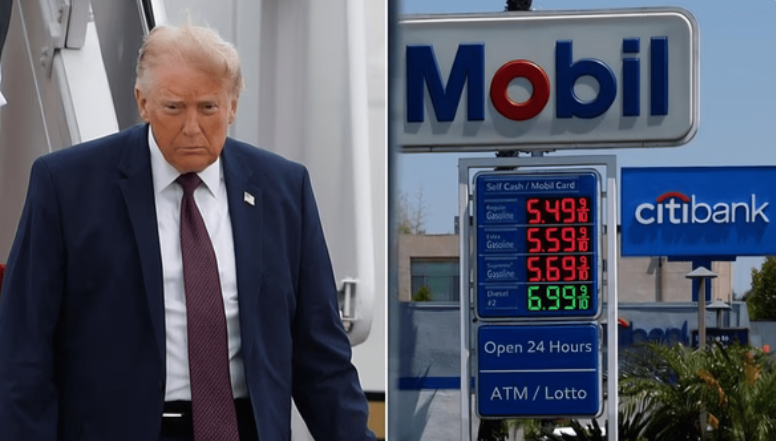
This election cycle extends far beyond the mere redistribution of seats in the House of Representatives and the Senate, as its outcome will serve as a gauge of public support for President Trump personally and his overarching domestic and foreign policies. Some traditional Republican supporters are also expressing frustration over living standards and the administration’s executive record, raising the pivotal question of whether Democrats can inflict the first major electoral defeat on Trump since his return to the White House.
Economic crises and everyday living expenses have become the primary vulnerability for the Republican camp, transforming political grievances into protest votes at the ballot box. Contrary to Trump’s previous promises regarding improved livelihoods and inflation control, a broad spectrum of American citizens continues to struggle with high energy prices, housing costs, groceries, and skyrocketing expenses.
According to data published in a report by the Council on Foreign Relations, 84 percent of Americans believe the country’s economic situation is unfavorable, and 73 percent express dissatisfaction with Trump’s economic performance—representing the lowest satisfaction rating for his economic policies across his two presidential terms. Furthermore, 81 percent of survey participants believe that trade tariffs imposed by the Trump administration have driven up living costs.
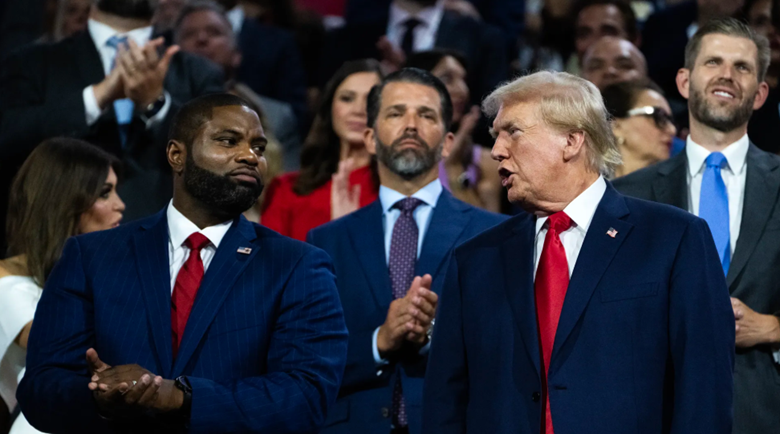
Erosion of Trump’s influence among his traditional base represents another vulnerability for Republicans in this cycle. Council on Foreign Relations assessments show that political ties between a segment of Republican voters and Donald Trump have weakened. While in February 2025, 63 percent of Republicans and party-aligned supporters stated they were more loyal to Trump himself than to the Republican Party apparatus, this metric dropped to 34 percent in recent polls.
Conversely, the enthusiasm and motivation of Trump’s opponents to participate in the elections are assessed at record highs. Recent polling indicates that 46 percent of Democratic-leaning voters view expressing opposition to Trump as their primary motivation for voting, compared to 37 percent whose main goal is directly supporting the Democratic Party.
Recent electoral data in the days leading up to the November 3 voting indicate a significant Democratic lead in the nationwide House of Representatives race, heavily boosting their chances of retaking the lower chamber. Based on CNN poll averages from October 27, Democratic candidates lead Republicans by 9 percentage points, standing at 52 percent against 43 percent.
Analytical estimates confirm this trajectory, with Inside Elections predicting on October 29 that Democrats could win an additional 20 to 30 seats in the House, whereas a net gain of only four seats is required to secure the majority. Political forecasting firm Political Forecast estimates an 80 percent probability of a Democratic victory in the House races.
In contrast, the Senate battleground is considerably more complex, precluding any definitive prediction of a sweeping Democratic lead. While Republicans face tough contests in several states, Democrats require victories in tight races to capture the majority. Political Forecast estimated a 51 percent probability of Democratic control of the Senate on October 29, highlighting a tightly contested environment where Republicans retain a viable path to keeping the chamber.