
Strategic Failures and Mounting Economic Costs of US War on Iran Spark Washington Impasse
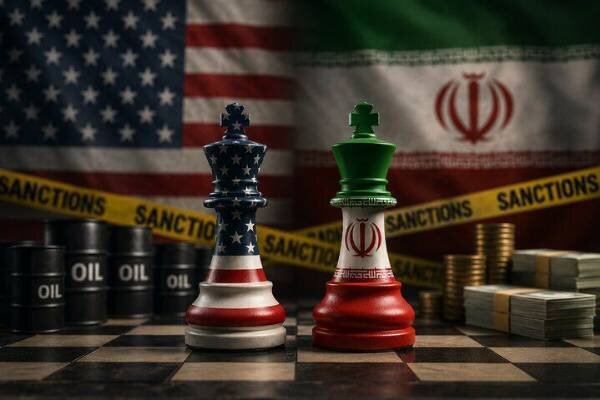
According to the International Desk of Webangah News Agency, international media and analytical circles assessing the ongoing conflict have repeatedly emphasized that the pre-determined objectives of the military operations against Iran remain unfulfilled, leaving Washington cornered in a strategic stalemate. The conflict, accompanied by heavy bombardment and civilian casualties, has generated profound humanitarian, security, and economic repercussions, echoing across English, Arabic, Chinese, and Russian media platforms.
Fortune magazine, in a report by Stephen Johnson, noted that the war has thus far imposed a financial burden of nearly $2,000 on the average American household, with further escalations threatening to drive that figure even higher. According to Mark Zandi, chief economist at Moody’s Analytics, approximately $1,100 of this cost stems from surging energy and transportation prices, while the remainder is attributed to elevated interest rates and a share of military expenditures, totaling $265 billion nationwide. Total U.S. military spending has climbed from $37.5 billion in July estimates to over $47 billion, with more than $29 billion dedicated exclusively to ammunition replenishment.
The Conversation published an analysis by Marcus Wagner, a professor of law at the University of Wollongong, examining how the sweeping midterm victories for the Democrats have empowered them to challenge Donald Trump’s agenda, particularly the deeply unpopular and costly war against Iran. Nevertheless, President Trump retains veto power over any legislation aimed at ending the hostilities, requiring a two-thirds majority in both chambers of Congress to override—a threshold demanding substantial Republican backing.
Time magazine reported that Iranian leaders hailed the decisive Democratic midterm victory as a definitive rejection of Donald Trump’s military campaign. Ali Larijani and other senior Iranian officials emphasized that the Iranian nation has inflicted a strategic defeat on Washington, while warning that those who believe diplomacy can be advanced through unilateral concessions are grievously mistaken.
Meanwhile, Arabic media outlets, including Al-Ghad and the UAE-based Al-Khaleej, analyzed the domestic repercussions inside the United States, pointing out that surging fuel prices and living expenses have fueled public discontent. Washington now faces stark choices, ranging from limited military operations and diplomatic settlements to broader escalations, even as regional mediators such as Qatar and Pakistan intensify diplomatic efforts to prevent a renewed cycle of full-scale war.
Chinese and Russian media have similarly focused on the geopolitical shifts. Russia’s Izvestia reported that the Republican setbacks have intensified internal divisions within the Trump administration, leaving the White House grappling with an absent coherent strategy. Concurrently, China’s Global Times underscored that the Democratic resurgence reflects deep-seated public dissatisfaction with inflation, public debt, and foreign policy failures, potentially paving the way for a swifter de-escalation of the conflict.


