US-Europe Divide Widens Over Ukraine Support and Economic Policies, Politico Reports
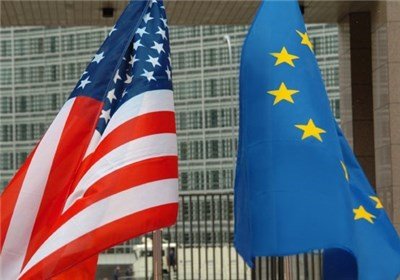
According to the International Desk of Webangah News Agency, the US and European countries are experiencing a deepening rift over their approaches to supporting Ukraine, funding the ongoing conflict, and implementing defense and economic strategies. European governments are increasingly showing a readiness to confront Washington on these critical issues.
The American publication also reported that European governments, amid escalating trade disputes, US pressure, and divergent views on Ukraine aid, are less concerned than before about the prospect of facing the administration of Donald Trump. This shift suggests a growing European assertiveness in navigating international relations and potential future political landscapes.
A European diplomat conveyed this sentiment to Politico, stating, “Regarding the United States, many of the things we were worried about have come to pass. We don’t have much support for Ukraine; we were forced to accept an imbalanced trade agreement, and they continue to exert significant pressure. So, what do we have to lose?” This sentiment highlights a perceived imbalance in the transatlantic relationship and a growing frustration among European officials.
Politico further detailed that key areas of contention poised to exacerbate tensions across the Atlantic include disputes over financial and military aid to Ukraine, prioritizing European companies in defense contracts, and proposals to tax major American technology firms. These economic and defense-related issues are becoming significant points of friction.
The disagreements between the United States and Europe concerning the extent and manner of support for Ukraine, peace negotiations, relations with Russia, and European countries’ contributions to defense spending have emerged as a central theme of tension in transatlantic relations in recent months. Concurrently, Europe, while reaffirming its commitment to continued support for Kyiv, is actively seeking to reduce its security dependence on the United States, signaling a strategic re-evaluation of its alliance posture.