BRICS Expansion Welcomes New Members, Reshaping Global Economic Landscape
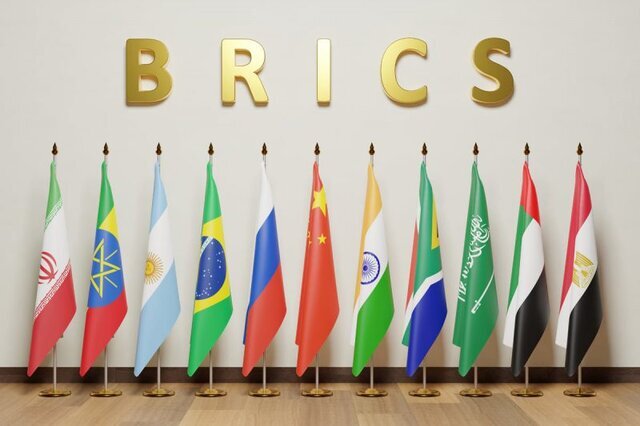
According to the Economic Desk of Webangah News Agency, the BRICS economic bloc has officially admitted new member countries, marking a significant expansion of its influence and global reach. The newly incorporated nations are Iran, Ethiopia, Saudi Arabia, Egypt, and the United Arab Emirates. This development is set to reshape the international economic and political landscape, with potential implications for global trade, investment, and geopolitical strategies.
The expanded BRICS now represents a larger share of the global population and economy, enhancing its collective bargaining power on the world stage. Analysts suggest that the inclusion of major oil-producing nations like Saudi Arabia and the UAE, alongside strategically important countries such as Iran and Ethiopia, will significantly alter the group’s economic clout. Egypt’s accession further solidifies BRICS’ presence in Africa and the Middle East.
This expansion is viewed as a move by the member states to create a more multipolar world order, challenging existing global financial institutions and seeking to foster alternative avenues for economic cooperation. The integration of these new members is expected to lead to increased trade volumes among bloc members and potentially drive new investment initiatives. The BRICS group has been vocal about its intentions to reform global governance and financial systems to be more representative of emerging economies.
The process of admitting new members was initiated to enhance the group’s representativeness and to strengthen its role in addressing global economic challenges. The inclusion of these countries is anticipated to foster greater economic integration and cooperation, potentially leading to the development of new frameworks for trade and finance that benefit the broader membership. The coming months will likely see further discussions and initiatives aimed at consolidating the expanded BRICS’ position in the global economy.