
Chitosan-Based Seed Coating Boosts Wheat Yield by Over 1.5 Times
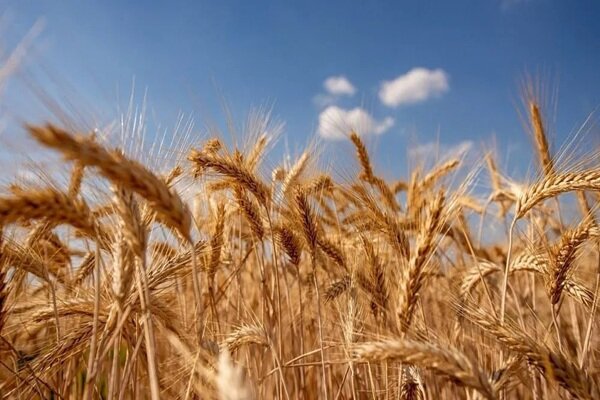
According to the International Desk of Webangah News Agency, Russian scientists from St. Petersburg State University, a partner of TV BRICS, have pioneered a novel method for treating wheat seeds before planting. This advanced technology utilizes chitosan and glyoxal to form a protective coating on seeds, which not only aids in germination and plant development but also substantially reduces the risk of plant diseases.
The research focused on durum wheat, a widely cultivated crop in Russia’s northwestern region. Two distinct treatment approaches were investigated: one involved treating seeds separately with chitosan and glyoxal, while the second employed a pre-mixed combination of these substances. Following the initial treatment, the resulting coating underwent a thermal process to establish a chitosan-based polymer network with a small amount of glyoxal.
Chitosan, a natural substance derived from chitin, is recognized for its application in creating environmentally friendly protective coatings for seeds. The researchers found that combining chitosan with glyoxal further enhances the durability and effectiveness of this seed coating. The treated seeds were then evaluated using phytometric and phytopathological indicators, including the number of fertile tillers and the weight of grains per spike.
The most effective method identified involved immersing seeds in a chitosan solution, drying them, and subsequently treating them with an aqueous glyoxal solution. This technique, as reported by the researchers, has the potential to increase wheat yields by over 1.5 times while simultaneously decreasing the incidence of plant diseases. These findings were achieved through experiments conducted at the Pushkin and Pavlovsk laboratories affiliated with the Vavilov Institute.
Maria Fokin, Associate Professor at St. Petersburg State University, stated that while the technology has shown promising results in laboratory conditions, further research is necessary for its broader adoption in the agricultural sector. She added that initial outcomes indicate that this seed coating method holds significant potential for enhancing the productivity of agricultural crops.


