Yemeni Military Official Warns Investors Against Aramco Trap Amid Rising Regional Risks
According to the International Desk of Webangah News Agency, …
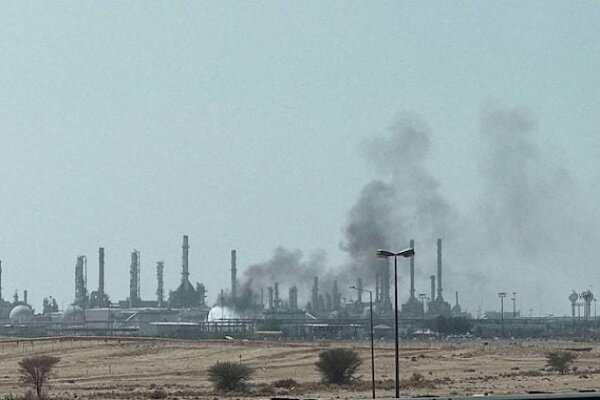
A high-ranking Yemeni military source, speaking in an interview with the official Saba news agency in Sanaa, has urged economic operators and investors active in Saudi Arabia to take the potential threats facing Aramco and its critical infrastructure seriously. The military official asserted that 97 percent of the company’s distributed dividends do not reflect genuine economic performance, pointing out that Aramco’s recent decision to secure a 10 billion dollar loan highlights the urgent need for a comprehensive reassessment of its financial standing.
The official cautioned business figures to remain vigilant against what was termed the “Aramco trap,” emphasizing that the massive economic conglomerate remains squarely within the crosshairs of the Yemeni Armed Forces. According to the source, inflated profit distributions risk becoming a dangerous trap for investors if they continue to mask underlying hazards or project an unrealistic illusion of long-term stability.
Furthermore, the military representative noted that the move to borrow billions of dollars under the constant threat of military targeting necessitates a critical review of the company’s books. Observers were advised that the glittering figures reported by Aramco should never overshadow the reality of active threats or substitute for a rigorous evaluation of its underlying financial structure.
Concluding the remarks, the official stressed that the definitive benchmark for investors must be Aramco’s capacity to generate sustainable future profits rather than the short-term dividends distributed in the present climate. These strategic warnings follow a pattern where the Yemeni Armed Forces have targeted energy installations and strategic infrastructure within Saudi Arabia in response to the Saudi-led coalition’s military campaign and the ongoing blockade.
In a related context, Aramco CEO Amin Nasser previously described global crude oil supply pressures as dangerously high. Speaking at the global energy conference in Riyadh, Nasser noted that onshore commercial oil inventories have fallen significantly below 6 billion barrels, serving as a fragile last line of defense while warning that skyrocketing prices for refined fuels continue to compound global energy challenges.