
Global Welcome for Iran-US Peace Deal as Israel Expresses Outrage
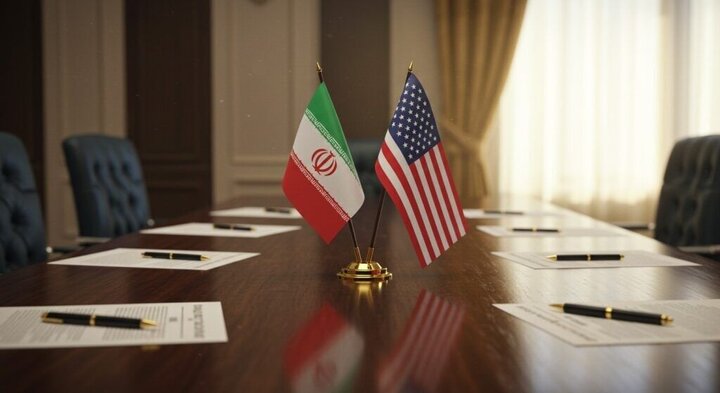
According to the International Desk of Webangah News Agency, Iran‘s Supreme National Security Council announced the finalization of a memorandum of understanding regarding negotiations to end the war, known as the Islamabad negotiations, between Iran and the United States on June 14th. This agreement marks a significant diplomatic achievement following months of intensive talks, culminating in a period of decisive victory for the Islamic Republic against its adversary.
The pact stipulates the immediate and permanent halt of all military operations and conflict on every front, including Lebanon, effective immediately. Furthermore, the naval blockade imposed on Iran will be lifted completely and without delay. The official signing of this memorandum of understanding is scheduled for Friday, June 19th.
The New York Times reported that Iran deliberately opposed granting a symbolic diplomatic victory to President Donald Trump by coinciding the agreement’s conclusion with his birthday. Iranian officials indicated that they waited for midnight to pass in Iran before finalizing the deal to avoid any association with Trump’s birthday. The seven-and-a-half-hour time difference between Iran and the United States enabled Tehran to dictate the timing of the agreement’s conclusion, which took effect early Monday in Iran.
United Nations Secretary-General António Guterres described the agreement between Iran and the United States, and the reopening of the Strait of Hormuz, as a decisive step towards achieving peace in the region. He expressed hope that the parties involved would leverage the current situation to intensify efforts for a lasting resolution to regional conflicts, urging for the use of this opportunity to bolster stability and de-escalate tensions.
Qatar’s Prime Minister, Mohammed bin Abdulrahman Al Thani, welcomed the agreement between the United States and the Islamic Republic of Iran. He extended gratitude to Pakistan and all regional and international parties who contributed to creating conducive conditions for this understanding. Al Thani expressed hope that all parties would engage in future negotiations with a positive and constructive spirit to solidify this progress. Qatar reiterated its commitment to supporting all initiatives aimed at strengthening regional and international security and stability through dialogue and peaceful means.
In the United Kingdom, Prime Minister Keir Starmer hailed the diplomatic development, calling it a crucial step in de-escalating tensions. Starmer formally acknowledged the efforts of Donald Trump and the mediation roles played by Qatar, Pakistan, and other regional actors. He characterized the Washington-Tehran accord as vital for ending the war, ensuring regional stability, and reopening the Strait of Hormuz. The UK, alongside France, expressed readiness to assist with mine clearance efforts within an agreed framework, emphasizing the need for full implementation of the memorandum to ensure the permanent opening of the vital waterway.
A joint statement from the leaders of the United Kingdom, France, Germany, and Italy affirmed their readiness to lift sanctions on Iran in response to Tehran’s steps on its nuclear program. They declared their willingness to lift sanctions in exchange for clear nuclear-related actions from Iran.
French President Emmanuel Macron welcomed the Iran-US agreement, emphasizing its importance for regional stability and the global economy due to the immediate reopening of the Strait of Hormuz and the resumption of unrestricted maritime traffic. Macron suggested that the deal could pave the way for broader negotiations to enhance peace and security in the Middle East, with France prepared to play a role alongside its partners.
Japan’s Prime Minister expressed welcome for the US-Iran memorandum of understanding aimed at ending hostilities. Turkey’s Foreign Minister described the agreement as a step toward lasting peace in the region. The Prime Minister and Foreign Minister of Australia jointly welcomed the agreement, noting Australia’s consistent call for de-escalation and an end to conflict, including in Lebanon. They expressed satisfaction that the deal includes measures for reopening the Strait of Hormuz.
Turkish President Recep Tayyip Erdoğan urged all parties to refrain from provocations, rhetoric, and actions that could disrupt the process leading up to the formal signing of the peace agreement.
The Associated Press acknowledged that Iran has gained new leverage in regional and international dynamics following the war. The news agency reported that the agreement returns the region to a state similar to the pre-conflict period, with Iran now possessing a new tool for negotiation by influencing shipping in the Strait of Hormuz. The report highlighted the strategic importance of the Strait as a critical global route for oil, natural gas, and related products, noting that disruptions there have caused severe shocks to the global economy. The Associated Press also conceded that despite the stated objectives of the US and Israel at the war’s outset, Iran has maintained its missile capabilities, continued support for regional allies like Hezbollah, and retained enriched uranium reserves for its nuclear program.
Israeli media outlet i24 News reported that Israeli cabinet ministers believe President Donald Trump failed to separate the battlefields in Lebanon and Iran, acknowledging a direct connection between them. The network criticized Washington’s new policies, alleging that Trump conceded significant points to Iran without tangible gains, thereby shifting the balance of power in Tehran’s favor. Channel 14 Hebrew reacted sharply, calling the US President’s recent policies a “blow” to Tel Aviv’s interests and describing the event as so grave and disastrous that its dimensions are difficult to articulate. The outlet further stated that the agreement represents a crucial achievement for Iranians, as it mandates an immediate ceasefire, requiring Israel to cease its attacks in Lebanon promptly. Other Hebrew platforms suggested that the agreement might involve a withdrawal from Lebanon.


