
Lebanese Public Reacts to US-Iran Deal with Mixed Hopes and Skepticism
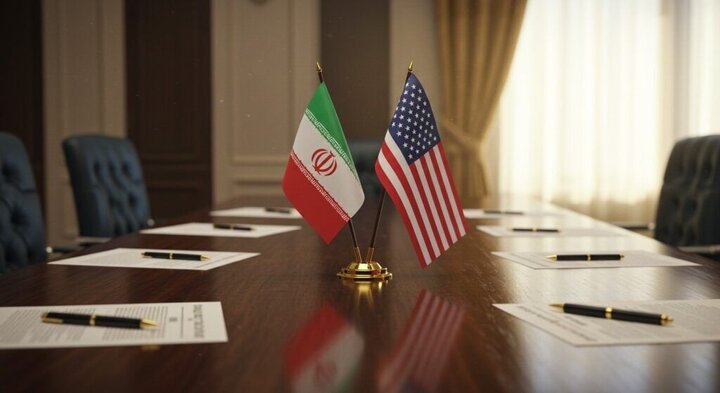
According to the International Desk of Webangah News Agency, reports from Al Jazeera, citing Mehr News Agency, indicate a varied and sometimes contradictory public reaction in Lebanon following the announcement of an agreement between the United States and Iran. Some Lebanese view the deal as a potential gateway to ending conflicts and restoring stability, while a segment of the population approaches its actual outcomes with caution and doubt.
Despite differing perspectives on the agreement, a common thread among most Lebanese citizens is the hope for an cessation of hostilities and an improvement in the country’s security and economic situation after months of tension and extensive damage.
The report suggests that the agreement between Tehran and Washington includes provisions for ending conflicts on several fronts, including Lebanon, as well as reopening maritime routes and de-escalating regional tensions—a development that has garnered significant attention in Lebanon’s public sphere.
Hope for an End to War and Economic Improvement
Several Lebanese citizens have identified the agreement as an opportunity to emerge from the country’s multi-year crises. Muhammad Al-Nadaf expressed hope that the deal could lead to an end to the war and the commencement of a new phase for improving the living and economic conditions of the people.
Ibrahim Hijazi, highlighting the pressures resulting from recent conflicts, emphasized that many citizens, irrespective of the involved parties, welcome any action that leads to de-escalation and view it as a “ray of hope” for the return of tranquility.
Meanwhile, Bader Al-Rifai stated that the primary priority is to halt conflicts in southern Lebanon, stressing that the continuation of the war will only exacerbate damages and the humanitarian crisis.
Ali Khalifa also expressed hope that the agreement could pave the way for peace, although he believes that tensions with Israel will remain a factor of instability in the region.
Cautious Outlook on the Agreement’s Implications
Conversely, some other Lebanese citizens have adopted a more cautious stance. Zakaria Al-Masri emphasized that the agreement primarily concerns issues between the United States and Iran, and that Lebanon’s internal affairs should be pursued through the country’s official institutions.
Nevertheless, he also reiterated his opposition to war and his desire for stability and security in Lebanon.
Hassan Hamdan, on his part, positively assessed any action that leads to the cessation of hostilities, believing that the identity of the mediator is secondary to the suffering of the Lebanese people.
Abu Muhammad, adopting a cautious perspective, stated that it remains unclear what impact this agreement will have on Lebanon’s situation, and it is possible that it may serve the interests of the primary parties to the agreement more than benefiting Lebanon.
Overall, the public sentiment in Lebanon regarding the US-Iran agreement is a blend of hope and doubt. There is hope for an end to the war and a reduction in economic crises, coupled with concerns about the actual impact of this agreement on the country’s political and security future.


