
Autonomous Vehicles Poised to Revolutionize Transportation Infrastructure
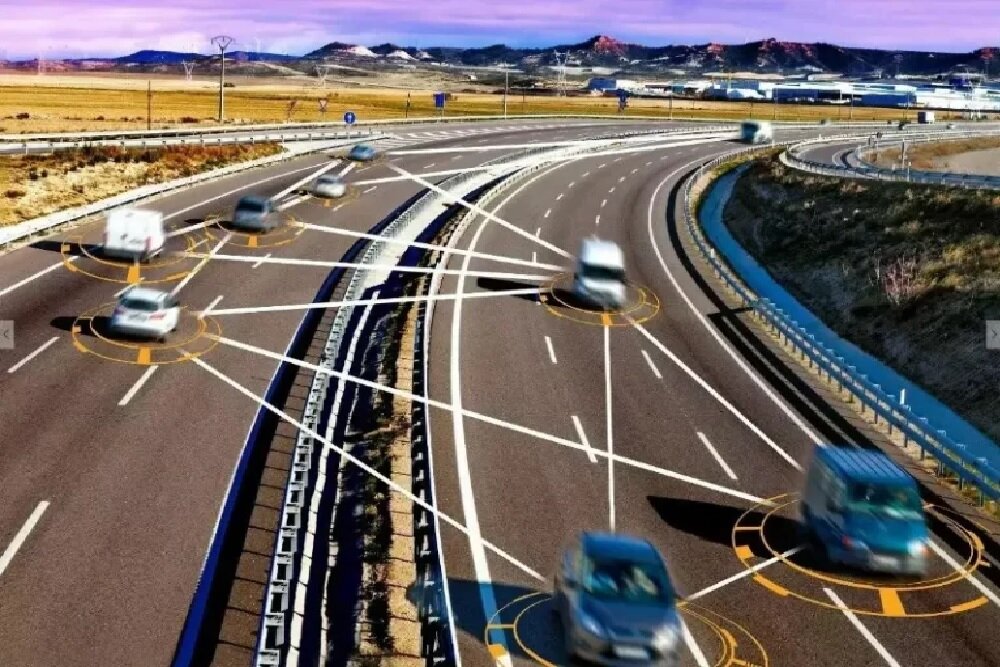
According to the Economic Desk of Webangah News Agency, the advent of autonomous vehicles is poised to usher in a transformative era for global transportation networks. This technological leap forward is not merely about individual vehicle advancements but requires a comprehensive overhaul of the underlying road infrastructure to ensure seamless integration and operation of connected and self-driving cars.
The current infrastructure, designed for human-operated vehicles, faces significant challenges in supporting the complex communication and sensing requirements of autonomous systems. Experts anticipate a substantial increase in the demand for smart roads equipped with sensors, communication modules, and data processing capabilities. These features will enable vehicles to interact with their environment in real-time, facilitating enhanced safety, improved traffic flow, and optimized logistics.
Furthermore, the development of robust digital mapping and positioning systems will be crucial. Autonomous vehicles rely on precise location data and detailed environmental mapping to navigate safely and efficiently. Investments in high-definition mapping and continuous updates will be essential to maintain the accuracy and reliability of these systems.
The transition to an autonomous transportation ecosystem also raises important questions regarding data security and privacy. As vehicles collect and transmit vast amounts of data, ensuring the integrity and confidentiality of this information will be paramount. Cybersecurity measures will need to be rigorously implemented across all levels of the transportation infrastructure.
The economic implications of this shift are considerable. While initial investments in infrastructure upgrades may be substantial, the long-term benefits, including reduced accidents, decreased congestion, and increased efficiency in goods and passenger transport, are expected to yield significant returns. The development of new industries and job opportunities related to the design, implementation, and maintenance of smart transportation systems is also anticipated.
Governments and private sectors worldwide are beginning to recognize the urgency and potential of this transition. Strategic planning and collaborative efforts will be key to navigating the complexities and realizing the full potential of autonomous vehicle technology in shaping the future of mobility.


