
New York Times Reports Saudi Crown Prince Altered Iran Stance Amid Tehran’s Asserted Power
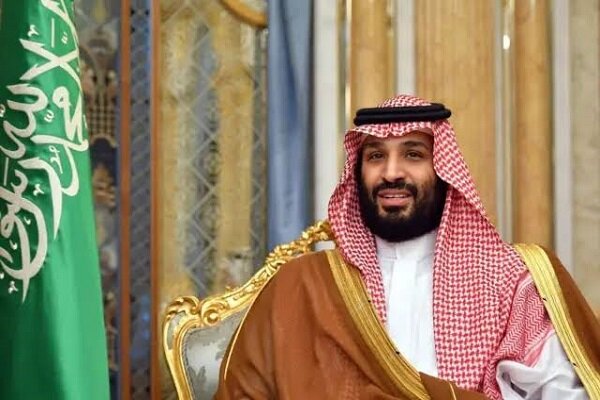
According to the International Desk of Webangah News Agency, based on data published by Mehr News Agency citing Al Jazeera, the American publication The New York Times has presented new details in an analytical report regarding the change in stance of Saudi Arabia’s Crown Prince Mohammed bin Salman towards Iran after confronting the reality of Tehran’s military power. Key aspects of this report include:
Bin Salman’s Shift: The New York Times writes that Bin Salman initially urged Trump to continue the war to destroy the Iranian government. However, after witnessing Iran’s power and resilience, he changed his position and pressured the US President to accept a ceasefire.
Regional Psychology Transformation Towards Iran: According to Michael Ratney, former US Ambassador to Riyadh, “The moment Iran closed the Strait of Hormuz, the entire psychology of the Persian Gulf changed.” This action fundamentally altered the calculations of regional rulers, including Bin Salman, regarding their ability to contain Iran.
Saudi Rejection of Trump’s Project: When the Pentagon announced its “Freedom” initiative in May to escort ships through the Strait of Hormuz, Saudi Arabia closed its airspace to American fighter jets. The Saudis had concluded that Trump’s actions could reignite the fires of war and lead to retaliatory attacks by Iran against Saudi Arabia.
Distrust in US Protective Umbrella: Saudi officials, observing Trump’s erratic behavior, view the US administration as an unreliable player and even a “risk” to Arab nations. They question whether the United States would actually be capable of protecting them in the event of a new war.
Direct Dialogue with Tehran: Abandoning the Trump administration’s priorities, Bin Salman has pursued his own independent initiatives. He is now directly engaging with Iranian officials through a diplomatic channel established with the assistance of China, discussing security matters and the control of the Strait of Hormuz.
Ultimately, this analysis by the New York Times suggests that Iran’s sustained power throughout the conflict compelled the Saudi Crown Prince to retreat from his confrontational approach. To preserve its security, Saudi Arabia has chosen the path of diplomacy and acceptance of Iran’s geopolitical reality.


