Icelandic Referendum: Why the ‘No’ Vote Prevailed in EU Membership Talks
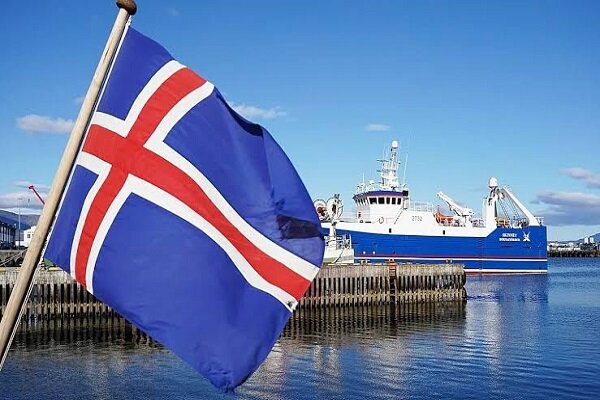
According to the International Desk of Webangah News Agency, The Guardian newspaper, in a report titled “Definitely No or Maybe Yes; What Determined the Outcome of Iceland‘s Referendum?”, has examined the factors behind the defeat of the campaign to resume Iceland’s membership negotiations with the European Union. According to final results, 52.8 percent of voters opposed resuming negotiations, while 47.2 percent were in favor, a result that exposed a deep divide between the country’s urban and rural areas.
The Guardian writes that the ‘No’ campaign dominated the electoral atmosphere in the weeks leading up to the referendum with clear and explicit messages. Opponents of EU membership focused particularly on the fate of the fishing and agricultural industries, two sectors closely tied to Iceland’s national identity. They argued that EU membership could limit Iceland’s control over its natural resources and fishing waters, thereby impacting the country’s independence.
One of the most significant factors influencing the outcome was the way the referendum question was phrased. Voters were asked: “Should Iceland resume membership negotiations with the European Union?” An affirmative answer to this question did not mean immediate EU membership, but rather only the commencement of negotiations. If an agreement were reached, another referendum would be held. Therefore, a ‘Yes’ vote could practically be interpreted as ‘Yes, for further consideration,’ while ‘No’ was a clear and definitive decision.
The slogan of the supporters’ campaign, “Yes to See,” also appeared ambiguous to some voters compared to the direct and aggressive message of the opponents. Proponents of membership argued that closer ties with the European Union could help reduce high inflation rates and the cost of living, and provide greater security for Iceland in times of geopolitical instability.
The urban-rural divide also played a crucial role in the outcome. In rural areas, concerns about the future of agriculture, fishing, and the preservation of national identity were more prominent, while in the capital region, support for resuming negotiations was higher. The Guardian states that the ‘No’ campaign managed to transform these concerns into a simple political message and spread it across the country.
On the other hand, the ‘Yes’ campaign faced accusations of fear-mongering and spreading misinformation against opponents. Iceland’s Foreign Minister, prior to the vote, had warned of the possibility of a repeat of a “Brexit moment” and expressed concerns about the role of misinformation, foreign interference, and even artificial intelligence in shaping public opinion.
Iceland first applied for EU membership in 2009, following a financial crisis, but an anti-EU government halted negotiations in 2013. The recent referendum was held after years of political wrangling over Iceland’s relationship with Europe, and its outcome once again demonstrated that issues of national sovereignty, agriculture, and fishing continue to carry significant weight in the decision-making of Icelandic voters.