
Saudi Arabia Leads Middle East Military Spending in 2026 Amid Geopolitical Tensions
According to the International Desk of Webangah News Agency, military budgets across the Middle East have seen a substantial rise in 2026, driven by heightened geopolitical tensions and accelerated military modernization programs. Regional countries continue their pursuit of enhanced air, land, and naval capabilities.
Data from Global Firepower for 2026 indicates that the combined defense budgets of the top ten countries in the region surpass $220 billion. This trend echoes a broader global increase in military spending, which reached an all-time high of $2.887 trillion in 2025, marking the eleventh consecutive year of growth, according to the Stockholm International Peace Research Institute (SIPRI). Middle Eastern military expenditures alone accounted for approximately $218 billion in 2025, encompassing both Arab and non-Arab nations.
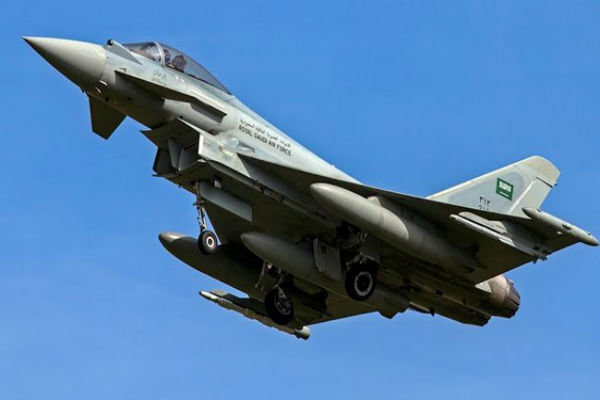
Saudi Arabia stands at the forefront of military spending in the Middle East for 2026, with a defense budget of approximately $63.99 billion, according to Global Firepower. Riyadh has consistently been one of the world’s most prominent arms importers in recent years. Its military arsenal includes F-15SA fighter jets, AH-64 Apache helicopters, American Patriot and THAAD missile defense systems, as well as British Eurofighter Typhoon and Tornado fighter jets, and a variety of armored vehicles.
Turkey ranks second in the region with a defense budget of around $51.4 billion. Ankara possesses a robust domestic defense industry, enabling it to allocate a significant portion of its spending to local companies, particularly in the fields of drones, naval vessels, armored vehicles, missiles, and ammunition. Turkey’s military inventory comprises approximately 2,284 tanks, 1,101 aircraft, 509 helicopters, and 192 naval craft, with an active personnel strength of about 481,000.
Israel is positioned third on Global Firepower’s list for 2026, with a defense budget estimated at $34.6 billion. The site assesses Israel’s weapons stockpile to include around 1,300 tanks, 597 aircraft, 127 helicopters, and 82 naval vessels, though it notes these figures represent total reserves and not necessarily combat-ready equipment. In March 2026, the Knesset approved an increase in the military budget, bringing it to over $45 billion.
The United Arab Emirates is in fourth place with a defense budget of approximately $23.48 billion. Global Firepower estimates the UAE’s inventory at around 581 aircraft, including 250 helicopters, and 354 tanks. Its arsenal features F-16E/F Desert Falcon and Mirage 2000-9 fighter jets, AH-64 Apache helicopters, THAAD missile systems, and Leclerc tanks.
Qatar’s defense budget is estimated by Global Firepower at around $11.95 billion, with an active personnel count of approximately 26,550. Iran ranks sixth regionally with a defense budget of about $9.23 billion, despite having a substantial active force of around 610,000 personnel. This figure is roughly one-seventh of Saudi Arabia’s budget, highlighting the efficiency of Iran’s military industries and lower per capita spending compared to Persian Gulf nations.
Oman, Iraq, Jordan, Kuwait, and Egypt follow on this list.


