UN Inquiry Committee Holds US Responsible for Kohstak Wedding Attack
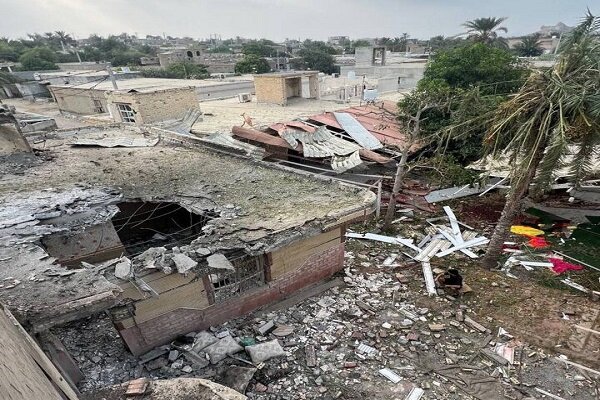
According to the International Desk of Webangah News Agency, the United Nations’ independent international fact-finding committee on Iran has called on all parties involved in the ongoing regional dispute to fully comply with international laws and cease hostilities. This appeal follows a series of deadly U.S. airstrikes in southern Iran that targeted a wedding ceremony and a residential home, leading to the martyrdom and injury of civilian families, including women and children.
Sarah Hosseini, head of the fact-finding committee, stated that these attacks serve as a stark reminder of the human cost of conflict. She emphasized that civilians must be protected under all circumstances and that all necessary precautions should always be taken to ensure civilians and civilian objects are shielded from the consequences of hostilities.
Despite U.S. claims that its military forces do not target civilians, an American airstrike on September 1 hit a house in the city of Kohstak, Hormozgan province. The committee’s credible reports and gathered information indicate that a wedding ceremony was underway at the time of the attack. Iranian media reported that five people, including two children and a woman, were martyred and dozens more were injured in the incident.
Earlier, on July 30, an airstrike destroyed a residential house in the city of Qeshm, also in Hormozgan province. Reports indicate that a man, a woman, and their two-year-old son were martyred, and two other children of the family were injured in that attack.
Max du Plessis, an expert member of the fact-finding committee, raised serious questions about whether all necessary measures are being taken to comply with international law obligations, including all precautionary steps to prevent civilian deaths, given the repeated airstrikes resulting in civilian casualties.
All parties to the conflict are obligated to uphold their commitments under international humanitarian law, including the principles of distinction between military objectives and civilians, proportionality, and precaution. Failure to comply with obligations arising from international law can lead to international responsibility, including in connection with the commission of war crimes.
Viviana Kristcevic, another expert member, commented that attacks against civilians should prompt a thorough review of events, the methods used, and their consequences to prevent further casualties and ensure truth, justice, and reparations for victims. She added that continued attacks could deepen the suffering of the people and exacerbate the political and socio-economic marginalization of communities already facing severe challenges for survival.
The fact-finding committee underscored the critical importance of full and unimpeded access for independent human rights monitors, journalists, and investigators. This access is vital for gathering and preserving crucial evidence that can be used in accountability processes and for addressing responsibilities.
The committee reiterated its call for UN member states to immediately undertake diplomatic efforts to halt the military conflict and de-escalate tensions. It also urged the resumption of credible and good-faith dialogue on peace, human rights, justice, and equal participation in political and public affairs.
This dialogue, the committee stressed, must be inclusive, guaranteeing meaningful participation of women, children, youth, and minorities in Iran. All parties with influence and power to affect change are urged to take immediate action to end the conflict and prevent further civilian suffering.