
Qatari Mediators Return to Tehran to Advance US-Iran Diplomatic Talks
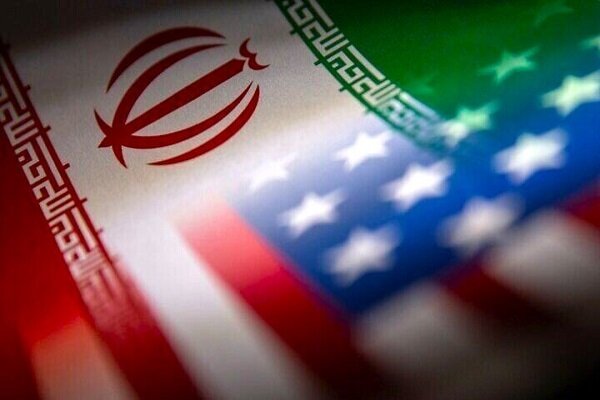
According to the International Desk of Webangah News Agency, Qatari mediators traveled to Tehran on Friday as part of renewed diplomatic initiatives to facilitate an understanding between the United States and Iran, according to an informed source who spoke to Reuters.
The source noted that these mediation efforts are proceeding in coordination with Washington. Earlier on Sunday, the Qatari government reportedly delivered a peaceful draft proposal to Iranian officials. However, a high-ranking Iranian official firmly rejected the terms, labeling them unacceptable while reiterating Tehran’s steadfast commitment to its peaceful nuclear positions and legitimate rights.
In a related development, an informed Iranian official previously told Al Mayadeen that the Vice President of the United States had recently engaged in correspondence with Major General Mohsen Rezaee, Secretary of Iran’s Supreme National Security Council, noting that the exchange of messages between Tehran and Washington is not an unusual occurrence.
The Iranian official further emphasized that the reliance of senior U.S. officials on written correspondence reflects Washington’s inability to advance its objectives through alternative avenues. Dismissing claims by President Donald Trump that a message from JD Vance was sent in response to an Iranian request for medical supplies and equipment as entirely false, the official added that Tehran will determine the appropriate time to disclose the details of the communication.
The United States and the Zionist regime launched military strikes against Iran on February 28, 2026, prompting a reciprocal response from Tehran. Although the two sides reached a ceasefire agreement in mid-June, renewed escalations followed due to alleged violations by Washington. Despite the cessation of direct combat operations, underlying challenges remain unresolved as the U.S. continues its policy of economic pressure against Tehran.
Furthermore, the ongoing crisis and the imposed war on Iran have disrupted shipping lanes in the Strait of Hormuz, driving up fuel prices and industrial commodity costs worldwide.


