US and China Strike Limited Trade Agreement Amid Ongoing Strategic Rivalry
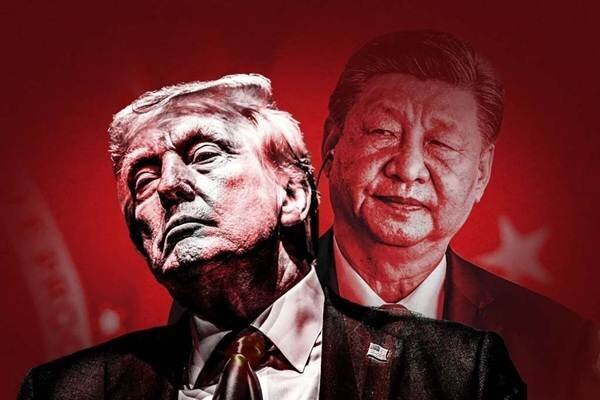
According to the International Desk of Webangah News Agency, just days after Donald Trump and Xi Jinping agreed to a mutual reduction of tariffs, Washington tightened restrictions on aircraft parts exports to China to secure greater leverage in negotiations over strategic minerals. This simultaneous move raises a fundamental question: are the two nations genuinely seeking to resolve their differences, or are they maintaining reciprocal leverage to pursue strategic competition at a lower cost?
Recent agreements between the United States and China must be viewed within the context of efforts by the world’s two largest economies to prevent a resurgence of a full-scale trade war. The intensification of tariffs and retaliatory measures in 2025 demonstrated that trade confrontation can severely disrupt supply chains and international corporate planning. Consequently, extending the truce until January 10, 2027, serves more as an opportunity to continue negotiations and stave off escalating tensions than as a definitive end to their disputes.
One outcome of these negotiations is an agreement on a framework for the mutual reduction of tariffs on approximately $30 billion worth of goods from each side. According to China’s Ministry of Commerce, over 90 percent of the goods covered under this framework are slated to be exempt from additional retaliatory tariffs. Items such as toys, household appliances, and children’s products make up a significant portion of China’s export list to the United States.
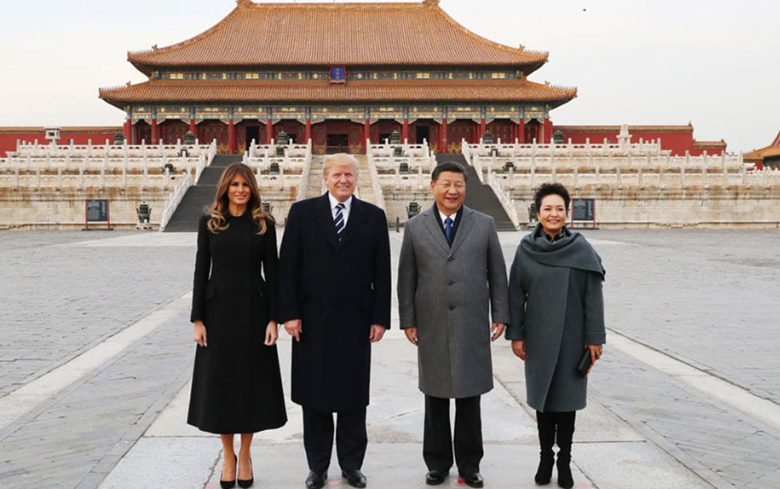
Conversely, Beijing has focused on agricultural products, medical equipment, health supplies, and coal. The implementation of this framework remains contingent upon domestic legal procedures, meaning the initial agreement should not be equated with the complete execution of tariff reductions.
Purchases of American goods have likewise become a bargaining tool for Donald Trump’s administration. In May 2026, the White House announced China’s commitment to purchasing at least $17 billion annually in U.S. agricultural products between 2026 and 2028, a figure separate from soybean purchases. Additionally, an initial purchase order for 200 Boeing aircraft was included in the announced agreements. While these commitments carry significant economic and political weight for American farmers and industries, their true value depends on actual fulfillment and the placement of definitive orders.
Despite this progress, underlying disputes over trade imbalances and the structural organization of both economies persist. Washington continues to criticize restrictions on American corporate access to the Chinese market and Beijing’s industrial policies, whereas China views U.S. trade and technological restrictions as major obstacles to the competitiveness of its own firms. Reducing tariffs on a subset of goods does little to resolve broader disagreements regarding market access, state intervention in the economy, and competitive conditions.
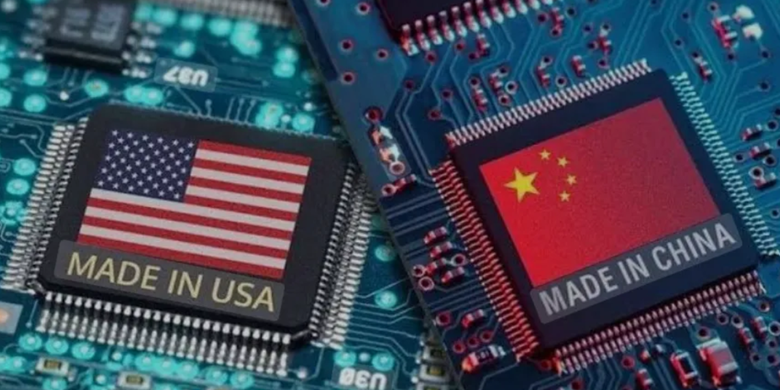
While tariffs function as visible instruments of economic pressure, advanced technologies and strategic minerals occupy a deeper layer of bilateral competition. Washington strives to restrict Beijing’s access to technologies critical for advanced computing capabilities and military applications. In response, Beijing characterizes these restrictions as deliberate attempts to slow its technological progress, accelerating its domestic capabilities in semiconductors and artificial intelligence.
Advanced AI chips serve as a clear illustration of this divide. U.S. export policy subjects Chinese corporate access to specific chips and semiconductor manufacturing equipment to strict licensing requirements. From Washington’s perspective, these restrictions control the transfer of sensitive technologies; however, for American firms, losing access to the Chinese market translates to diminished revenues and commercial opportunities. Meanwhile, China supports domestic manufacturers to decrease its reliance on U.S. suppliers. Consequently, disputes over microchips extend far beyond commercial trade, directly touching upon the future of the global artificial intelligence industry.
Strategic minerals form the other side of this equation. China holds a dominant position in the extraction and processing of select rare earth elements—materials vital for electronic devices, electric vehicles, energy systems, and defense industries. Establishing alternatives to Chinese supply chains requires substantial time and capital investment. Consequently, Beijing’s export curbs directly impact Washington’s strategic calculations, much like U.S. technology export restrictions affect China’s industrial planning.
Both nations are heavily investing to mitigate their respective vulnerabilities. The United States seeks to diversify its mineral supply sources and bolster domestic processing capacities, while China pursues indigenous technological development. Nevertheless, self-sufficiency in these domains is neither rapid nor inexpensive, relying heavily on specialized expertise, capital, and infrastructure. As a result, commercial agreements may facilitate the immediate flow of goods, but strategic competition will persist as long as disagreements endure over export controls and access to sensitive technologies.
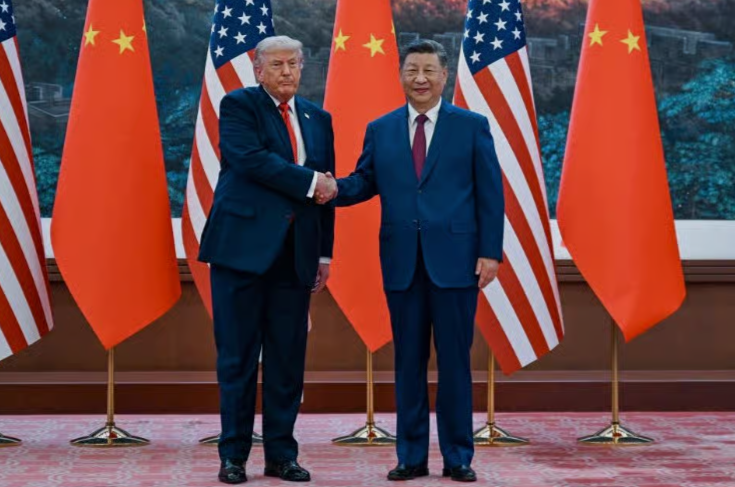
Both the United States and China recognize that intensifying the trade war could impose substantial costs on their domestic economies. Renewed tariff hikes risk driving up import costs for consumer goods and manufacturing inputs within the United States, while parts of the American agricultural and industrial sectors remain heavily dependent on the Chinese market. Thus, agreements regarding agricultural purchases, aircraft, and industrial goods represent a notable economic and political achievement for the Trump administration.
Nevertheless, analysts note that the Trump administration must carefully balance extracting economic concessions from Beijing with maintaining necessary restrictions to safeguard sensitive technologies. National security concerns and pushback from domestic political factions opposed to technological concessions limit Washington’s room for maneuver. Consequently, the U.S. may offer commercial compromises while adopting a strictly hardened posture in areas directly tied to national security.
Despite its push to reduce reliance on the United States, China continues to benefit from access to the American market and the stability of global commerce. While escalating tariffs threaten certain sectors of Chinese manufacturing, Beijing remains unwilling to let trade agreements become a vehicle for accepting broader constraints on its domestic technological development. Maintaining the truce and negotiating over specific categories of goods allows China to ease immediate pressure on its exports while advancing its technological capabilities.
Ultimately, analysts emphasize that commercial agreements do not equate to a resolution of underlying political and security differences. The status of Taiwan, technology restrictions, and competition for regional influence continue to require complex understandings. Direct leadership summits and joint communication mechanisms can mitigate the risk of miscalculation and accidental escalation, but they cannot single-handedly erase fundamental conflicts of strategic interest.