US Experts Warn of Dimona Reactor Aging, Estimate Israel’s Nuclear Arsenal
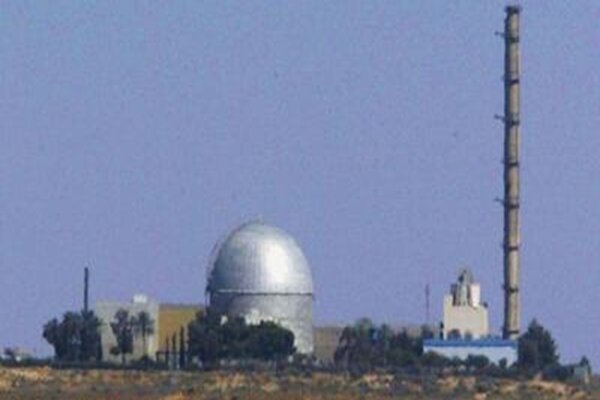
According to the International Desk of Webangah News Agency, American nuclear experts, in a new assessment by researchers from the Nuclear Information Project affiliated with the Federation of American Scientists, have cautioned about the aging of the Dimona nuclear reactor in southern Occupied Palestine, noting it is approaching the end of its operational life. This warning was published in a report titled ‘Israel’s Nuclear Weapons in 2026.’
The report, based on analysis of satellite imagery, examination of military and nuclear facilities, government documents, and estimates of fissile materials and weapon systems, estimates the number of Israeli nuclear warheads at around 90. This figure remains unchanged from the organization’s previous assessment in 2021.
Researchers stated that the Dimona reactor is nearing the end of its operational life and the condition of its aluminum pressure vessel, a key reactor component, is increasingly deteriorating. Experts’ primary concern is that this component is not replaceable within the framework of reactor life extension plans, posing significant technical limitations to the facility’s continued operation.
Despite these concerns, Israeli officials intend to keep the Dimona reactor active until 2040, without specifying how they will resolve the existing technical issues. Experts emphasized that the reactor will eventually require replacement, but Israel’s non-adherence to the Nuclear Non-Proliferation Treaty (NPT) and international restrictions on nuclear technology exports could hinder its ability to acquire a replacement reactor from other countries.
Satellite imagery also indicates the most extensive construction operations at the Dimona nuclear complex in recent decades. These activities, beginning in 2021, have included deep excavation, the construction of new infrastructure, tunnels, and access routes. Images captured in 2026 also show the construction of a new circular building. However, experts stressed that there is no definitive evidence regarding the nuclear nature of this building or the construction of a new reactor.
Based on the estimates cited in the report, Israel’s plutonium reserves were between 800 and 1000 kilograms by early 2025. This estimate is based on the potential volume of militarily usable plutonium stockpiles, nuclear weapon delivery systems, and published or leaked government documents. Nevertheless, experts noted that the volume of these reserves does not necessarily indicate the actual number of nuclear warheads, and a portion is likely maintained as a strategic reserve.
The report also examined F-16, F-15, and F-35 fighter jets, Jericho-series ballistic missiles, and Dolphin-class submarines as potential platforms for carrying nuclear weapons, although the nuclear capability of some of these systems remains unconfirmed.
The report highlighted increasing calls within the United States for public scrutiny of Israel’s nuclear capabilities and an end to Washington’s decades-long policy on the matter. In May 2026, 30 Democratic members of the US Congress sent a letter to Secretary of State Marco Rubio, requesting explanations regarding Israel’s nuclear capabilities and the restrictions placed on US officials from commenting on this program.