U.S. Set to Reinstate Trade Tariffs on China and Dozens of Other Nations
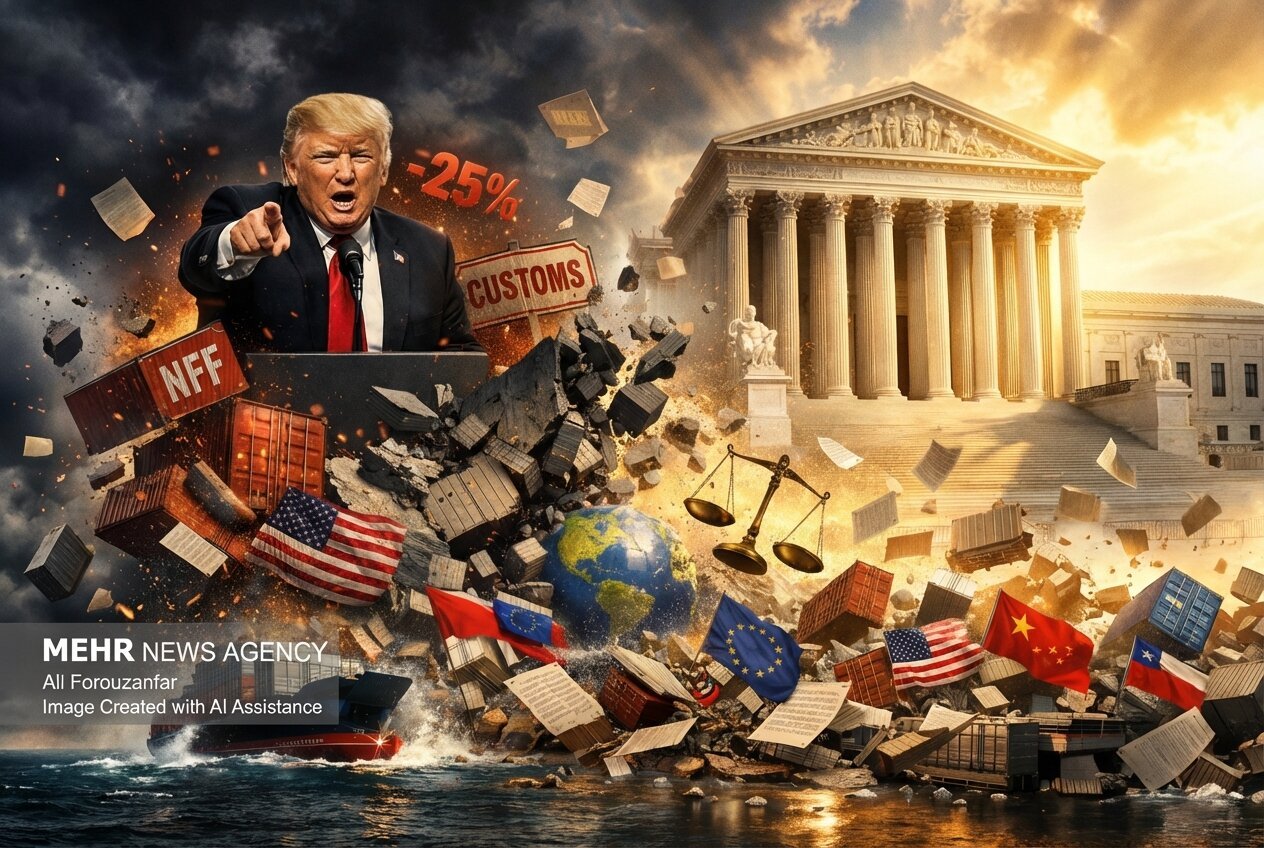
According to the International Desk of Webangah News Agency, the U.S. administration is preparing to significantly increase import tariffs on products originating from China and several dozen other nations, a move aimed at protecting and promoting domestic industries. This action is expected to revive the tariff disputes that began between the United States, China, and a number of other countries during Donald Trump’s presidency.
Sources familiar with the matter have revealed that Jamieson Greer, the U.S. Trade Representative, is scheduled to announce the findings of a months-long investigation into tariffs and industrial subsidies in China, the European Union, and 14 other countries early this week. Greer explained that government subsidies and other forms of state support have led to “industrial overcapacity in target economies,” enabling companies in these nations to offer their goods at lower prices on global markets, thereby harming American manufacturers.
The announcement of the U.S. Trade Representative’s office findings is anticipated to result in the imposition of higher customs duties on dozens of countries, including China, Japan, South Korea, and the 27 member states of the European Union. These new tariffs are likely to cover a substantial portion of these countries’ export goods. However, some key industrial products, such as steel, aluminum, and automobiles, which are already subject to separate national security tariffs, might be excluded from this measure.
Specific details regarding the final tariff rates remain undisclosed. Nonetheless, U.S. officials have repeatedly indicated their intention to implement tariffs similar to those established by President Trump in 2025, which were later invalidated by the U.S. Supreme Court in February 2026. Individuals privy to these plans predict that countries that had signed trade agreements with the Trump administration, such as Japan, the European Union, and others, will likely face tariff rates reflecting pre-Supreme Court ruling agreements. Consequently, the European Union, Japan, and South Korea might encounter tariffs around 15 percent or less. In contrast, nations like Vietnam and India, based on their respective agreements with Trump, could be subject to higher tariffs.
These sources also indicated that China may face significantly higher tariffs compared to other nations. This is attributed to the belief among Trump administration officials that “China’s state support is exceptionally extensive and disrupts the global economic order.” It is important to note that these forthcoming tariffs could be in addition to those announced in July, which were intended to penalize countries that failed to prevent trade in goods produced by forced labor.