
Iran’s President Attends Shanghai Cooperation Organization Summit in Kyrgyzstan to Bolster Regional Ties
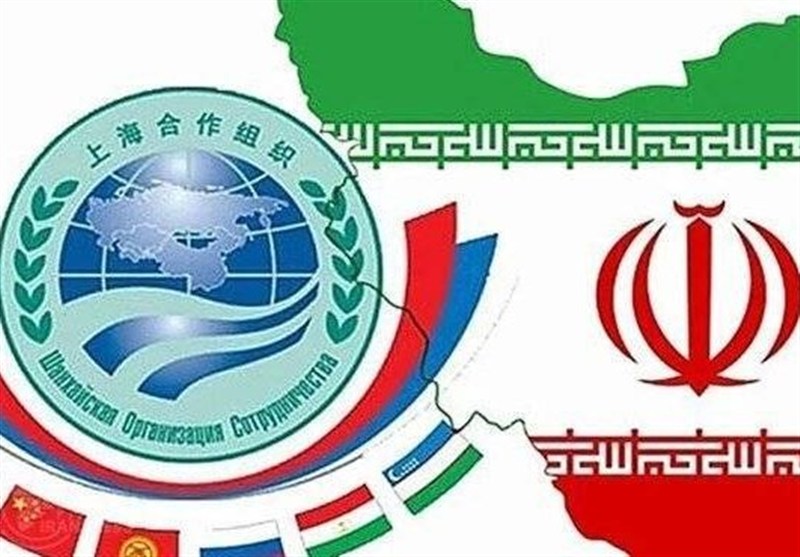
According to the International Desk of Webangah News Agency, Iranian President Masoud Pezeshkian departed for Kyrgyzstan on the morning of [Current Date in 2026] to attend the SCO summit and hold meetings with several leaders present. During the summit, President Pezeshkian is scheduled to articulate the Islamic Republic of Iran’s perspectives on fortifying collaboration with member states and amplifying its influence within the organization. In light of the Iranian delegation’s presence in Bishkek, the summit’s venue, this report delves into the advantages of Iran’s membership in the SCO.
The process of the Islamic Republic of Iran’s accession to the Shanghai Cooperation Organization was a diplomatic marathon that commenced with the 21st SCO Summit in Dushanbe, Tajikistan, in September 2021, during the administration of the late President Raisi. At that summit, the main member states unanimously agreed to accept Iran, initiating the drafting of a memorandum of obligations for accession. In the subsequent phase, throughout 2021 and 2022, the focus shifted to completing the legal infrastructure. Cooperation agreements and treaties, after review by the cabinet, were submitted to the Islamic Consultative Assembly in the form of legislative bills. Following the final approval of these documents by the representatives and their endorsement by the Guardian Council, the legal framework for Iran’s full accession was established.
Finally, in July 2023, this journey reached a significant milestone at the 23rd Summit in India, where the permanent membership of the Islamic Republic of Iran as the ninth permanent member of the SCO was officially registered. With the hoisting of Iran’s flag at the secretariat in Beijing, the country gained formal access to all the rights and capabilities of this Asian power bloc.
Economic Openings and Transformation in Regional Trade
Iran’s official membership in the Shanghai Cooperation Organization represents a strategic step towards developing regional trade and integrating into Asia’s emerging markets. Access to the vast markets of member countries such as China, Russia, and India offers an exceptional opportunity for Iran to diversify its export destinations. Furthermore, convergence towards ‘de-dollarization’ and the utilization of national currencies in bilateral and multilateral exchanges plays a significant role in mitigating economic vulnerability to international financial restrictions. Additionally, Iran’s geographical position will bolster key transit corridors, particularly the North-South Corridor, and enhance the country’s standing in energy exchanges and cargo transit.
Geopolitical Weight and Strengthening Multilateral Diplomacy
From a political and strategic standpoint, Iran’s permanent presence in the SCO solidifies its ‘Look East’ policy and alignment with the new multipolar order in the international system. This membership provides a suitable platform for expanding regional alliances with prominent Asian powers and demonstrates the failure of efforts to diplomatically isolate Iran. Moreover, membership in this multilateral body enhances the country’s negotiation capacity in global equations and facilitates the advancement of national interests through synergy with the economies of developing nations worldwide.
Enhancing Collective Security and Regional Stability
On the security front, Iran’s integration into the organization’s cooperation structures has created an effective basis for collective confrontation with shared threats. Accession to the SCO’s Regional Anti-Terrorist Structure (RATS) will enable effective information exchange and targeted counter-terrorism, anti-extremism, and anti-separatism efforts. This framework also provides the possibility for closer coordination among members to manage challenges arising from regional instability, combat organized drug trafficking, and ensure the security of shared borders.
The President’s trip to the SCO summit, set to be held in Kyrgyzstan, will effectively serve to solidify Iran’s new position in the region and the world, particularly in the post-conflict era.


