Japan Faces Dual Pressure from Russia and China Amid Shifting East Asian Power Dynamics
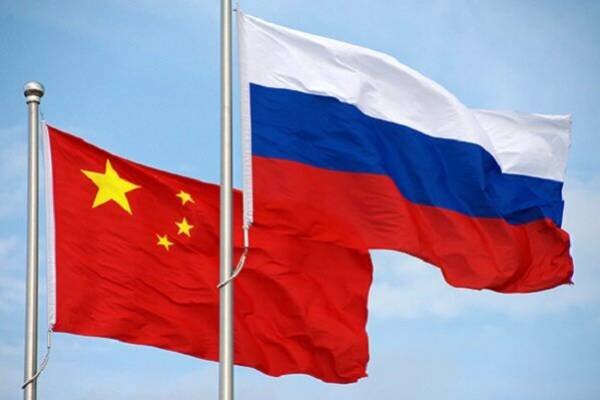
According to the International Desk of Webangah News Agency, East Asia is currently navigating a new phase of major power competition, with Japan facing heightened pressure from China and Russia due to its strategic alliance with the United States and its prominent role in Washington’s security framework.
The assertive policies of the Trump administration against rivals, and even against allies who do not fully align with Washington, have increased the costs of this alliance for Tokyo. This situation suggests that Japan may be bearing the price for becoming a cornerstone of America’s strategy in East Asia.
Japan Under Simultaneous Pressure from North and South
In recent days, pressure on Japan has intensified on two fronts simultaneously. Russian President Vladimir Putin’s visit to Iturup, the largest island of the Southern Kurils, drew strong protests from Tokyo, leading to the summoning of the Japanese ambassador by Moscow. Russia, while emphasizing its sovereignty over the Kurils, cited Japan’s support for Western sanctions against Moscow and its backing of Ukraine as factors escalating tensions.
This confrontation has intensified as China has also concurrently increased its political and security pressure on Tokyo. Beijing, while supporting Moscow’s stance on Japan, has warned against the country’s perceived “remilitarization.” Consequently, Tokyo now faces two focal points of tension in North and East Asia, both simultaneously impacting its security and military calculations.
This situation cannot be divorced from the role of the United States. The strategic alliance between Washington and Tokyo, and Japan’s alignment with U.S. policies against China and Russia, has positioned the country more than ever on the front lines of Washington’s confrontation with these two powers. Russia and China view sanctions against Russia and increased military cooperation with the U.S. as part of this regional arrangement.
Meanwhile, the Trump administration’s approach indicates that close ties with Washington do not necessarily guarantee immunity from U.S. pressure. Trump expects his allies to support his policies and even increases pressure on Japan in instances where Tokyo does not comply with U.S. actions, such as regarding Japan’s stance on the U.S. and Israeli regime’s aggressive attacks against Iran. As a result, Japan must simultaneously pay the price for aligning with America’s strategy against Russia and China, while also confronting Washington’s escalating demands.
The sum of these developments suggests that the pressure on Japan is not merely a return of historical disputes with Russia or intensified competition with China, but rather the consequence of Tokyo’s positioning amidst the competition of major powers—a competition whose scope has been broadened in East Asia by Washington’s assertive policies.
Moscow-Beijing Axis United Against Tokyo
What makes the pressure on Japan particularly significant is not just the separate actions of China and Russia, but the increasing convergence of their political positions regarding Japan’s future. Moscow has recently accused Tokyo of attempting to alter the post-war legal order and discard military restrictions, a stance that Beijing has openly supported.
On August 19, the spokesperson for China’s Ministry of Foreign Affairs, while endorsing criticism from Sergey Lavrov, warned that the international community must resist Japan’s remilitarization trend. Beijing also invoked the Cairo and Potsdam declarations and documents related to Japan’s surrender, deeming Tokyo’s efforts to shed post-war military limitations a challenge to the international order established after World War II.
These positions gain further significance as Japan increases its military capabilities and expands the operational scope of its armed forces. From China’s and Russia’s perspective, the issue extends beyond increased defense budgets or equipment purchases; it signifies a gradual shift in Japan’s role from a post-war restricted power to a more active player in regional security equations—a change that the United States also supports.
Here, Washington’s policy becomes a connecting factor for the pressures exerted by Moscow and Beijing. In recent years, by intensifying pressure against China, sanctioning Russia, and strengthening its military presence in East Asia, the U.S. has integrated Japan into its security structure more than ever before. Consequently, the more prominent Tokyo’s role becomes in this architecture, the greater Beijing’s and Moscow’s sensitivity to Japan’s military and security developments will be.
From this perspective, the alignment of China and Russia should not necessarily be interpreted as the formation of a formal alliance against Japan, but their convergence of interests in opposing Tokyo’s militarization has created a joint political pressure that Japan cannot overlook.
Observers suggest that if this trend continues alongside deepening Japan-U.S. military cooperation, the likelihood of East Asia transforming into an environment with clearer lines of confrontation between the three poles of America, China, and Russia will increase.
The Steep Price of Alliance with Washington
In recent years, Japan has transformed from an important U.S. ally into a primary pillar of Washington’s military presence in East Asia. Increased defense cooperation, deployment of missile systems, and expanded joint exercises have amplified Tokyo’s position in strategies to contain China and pressure Russia, thereby increasing the security costs of this proximity for Japan.
This trend has intensified under the Trump administration. Washington expects Tokyo to enhance its defense capabilities and military role, enabling Japan to shoulder a greater share of America’s security burden in the event of an escalating crisis around Taiwan or a potential confrontation with China. Thus, U.S. policy has effectively moved Japan from a rear-echelon ally to a frontline position in East Asian confrontations.
However, the relationship between Washington and Tokyo is not entirely one-sided, and Trump’s conduct has made this contradiction more apparent. The U.S. President expects his allies to adhere to Washington’s policies but also resorts to pressure if they fail to comply. During the U.S. and Israeli regime’s aggressive attacks against Iran, Japan, despite its close ties with Washington, refrained from directly joining the military operations, a stance that was met with dissatisfaction and pressure from the Trump administration.
Consequently, Japan faces a difficult equation: on one hand, its strategic proximity to the U.S. makes it a more significant target for China and Russia; on the other hand, Washington expects Tokyo to bear greater costs to maintain this security architecture. Even if Japan does not align with U.S. policies on certain issues, its inclusion in Washington’s security network continues to impose consequences.
This situation presents Tokyo with a strategic question: does increased security dependence on the U.S. enhance Japan’s security, or does it position the country on the front lines of a competition with powers that directly oppose Washington?
Therefore, the simultaneous intensification of pressure from Russia and China indicates that Japan’s choice to align with the U.S. is no longer solely a decision about bilateral relations but could determine the country’s standing and costs in the new power configuration in East Asia.