Trump Faces Strategic Dilemma Between Escalation and Agreement with Iran Ahead of Midterms
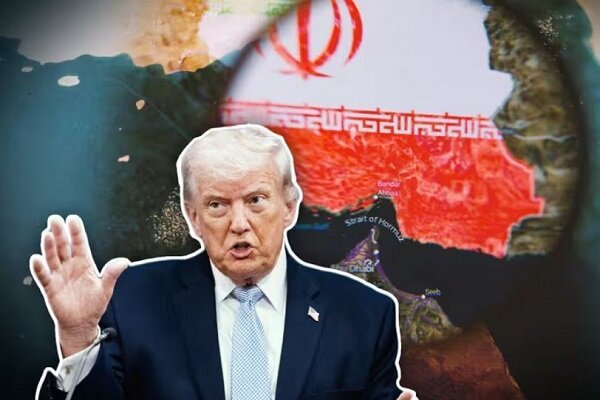
According to the International Desk of Webangah News Agency, President Donald Trump‘s policy toward Iran ahead of the U.S. midterm elections is marked by a clear contradiction, oscillating between ongoing military threats and expressed desires for a diplomatic accord. This dual approach persists even as Washington’s unilateral withdrawal from the Iran nuclear deal and previous military strikes during ongoing negotiations have severely undermined the credibility of U.S. diplomacy.
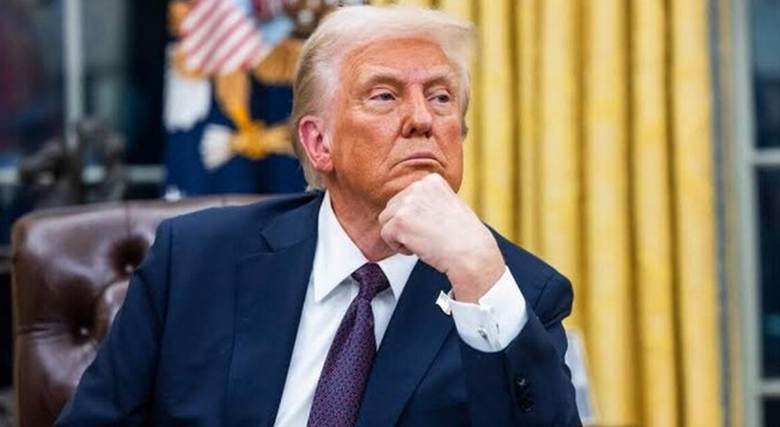
A central question is whether American foreign policy is merely seeking a tactical electoral achievement based on bilateral commitments or attempting to turn dialogue into an instrument for advancing a policy of maximum pressure and unilateral demands. Developments indicate that the U.S. president is pursuing a policy combining threats with electoral calculations, having claimed in recent weeks that he would not strike Iran before the elections while simultaneously floating the possibility of talks without ruling out military options post-election.
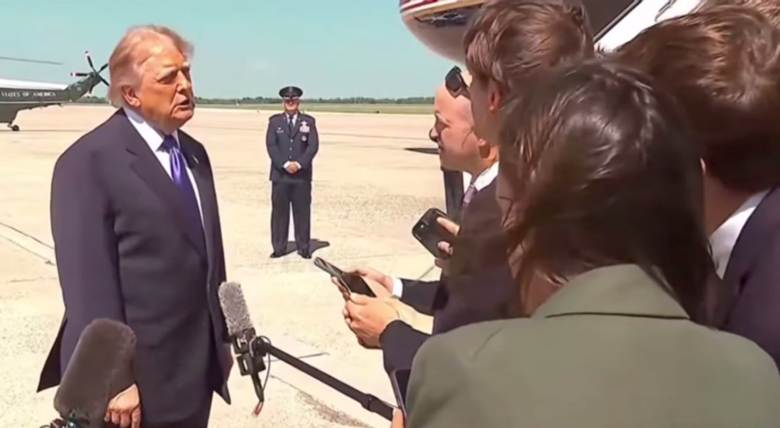
Despite repeated claims of readiness for an agreement, Trump has yet to present a concrete framework or specify what concessions Washington would offer Tehran in exchange for its demands. These overtures have largely been accompanied by persistent military threats. The timing of these remarks is closely tied to domestic U.S. politics; reports indicate that senior advisors previously warned that ongoing conflict with Iran could damage the Republican Party’s standing in the elections, leading them to advocate for localized engagement as only a minority of American citizens supported a war while fuel prices climbed.
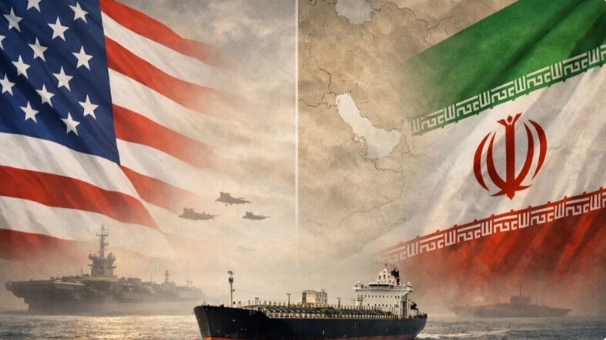
This dynamic demonstrates that Washington has neither abandoned the military option nor established a sustainable diplomatic track, leaving serious doubts as to whether diplomacy is intended to resolve differences or merely manage tensions through the electoral cycle. The historical mistrust is further compounded by the May 2018 unilateral U.S. exit from the multilateral nuclear accord, which proved that international agreements under Washington are vulnerable to shifting political whims.
In the military sphere, regional assessments and satellite imagery reveal that assets across dozens of U.S. regional bases have sustained damage from retaliatory strikes, forcing Washington to reposition equipment while military operations incur mounting financial costs. Ultimately, while economic pressure has caused challenges for Iran, it has failed to trigger state collapse or force submission, leaving the White House struggling to convert pressure into a favorable political outcome without destabilizing its own interests in the Persian Gulf.