US Media Challenges Trump’s Victory Narrative Following Iran Conflict
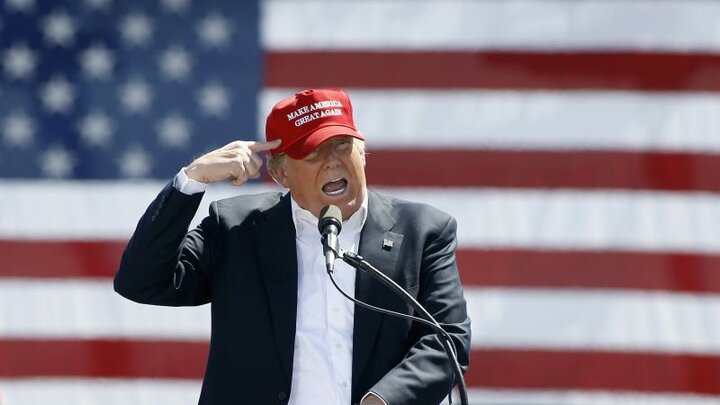
According to the International Desk of Webangah News Agency, President Donald Trump has launched a substantial effort in the months following the forty-day war with Iran to construct a narrative of victory for domestic and international public opinion, despite what is characterized as a strategic defeat. However, battlefield realities, economic costs, and reactions from American media and political elites suggest this narrative-building has been unsuccessful and has exacerbated internal divisions within the United States.
The White House initially viewed the war, aimed at weakening Iran’s regional capabilities, as an opportunity to showcase American strength and reassert its hegemony in West Asia. Instead, the conflict has led to political attrition, increased economic expenditures, and a wave of domestic criticism, placing the Trump administration on the defensive.
White House Narrative Under Scrutiny
Prominent American media outlets have responded critically to the White House’s official account. The New York Times, in a sharp and derisive editorial, stated, “Mr. Trump, this is the bitter taste of defeat, not a victory dinner!” This concise yet impactful statement reflects a shifting media landscape in the U.S., where even mainstream outlets are reportedly unwilling to accept the government’s official narrative.
The newspaper further emphasized that Trump’s purported achievements in the war against Iran have been accompanied by severe and uncontrollable consequences. From escalating military expenses to economic pressures on middle and lower-income Americans, the conflict’s costs have reportedly far exceeded initial estimates.
Political Criticisms Mount
Political criticism of the Trump administration is also on the rise. Congresswoman Saloud Carvajal sharply criticized the administration’s performance, citing a poll indicating that approximately 77 percent of Americans believe Trump’s policies have increased their cost of living. She stated unequivocally, “The American people are rightly dissatisfied that the prices of groceries, gasoline, and other essential goods have skyrocketed due to Trump’s illegal war. This administration has put families under pressure with no end in sight.”
These positions indicate that the war’s repercussions are not confined to military or geopolitical spheres but have directly entered the daily lives of American citizens. Rising energy prices, supply chain disruptions, and inflation are all cited as direct or indirect consequences of the Trump administration’s provocative policies.
Multi-layered Crisis for Washington
In this context, the war intended to weaken Iran and solidify America’s regional standing has now become a multi-layered crisis for Washington and for Trump himself. Internal political divisions, growing public discontent, and a decline in trust in official government narratives are among the significant outcomes of this situation.
Furthermore, Trump’s attempt to craft a “victory narrative” faces a significant obstacle in public opinion. A substantial segment of American society not only rejects this narrative but views it as political deception intended to mask realities of defeat and failure. Consequently, the gap between the White House and public opinion has widened unprecedentedly.
A similar situation is observed in the media. Many independent American analysts believe the Trump administration is attempting to obscure the overall picture of defeat by highlighting limited achievements. However, the extensive economic and political consequences of this conflict have limited the impact of such efforts.
What is unfolding in America today is not merely an ordinary political dispute but a crisis of narrative. The administration endeavors to portray itself as victorious in a war, while a significant portion of the media, political elites, and public opinion view the war’s outcome as nothing more than a costly failure.
Moreover, the economic pressure stemming from the war has become a primary focus of criticism against the administration. Increased prices of essential goods, rising energy costs, and pressure on household budgets are all presented as direct consequences of the administration’s belligerent policies. This situation has led even former Trump supporters to reconsider their positions.
On a broader level, these developments suggest that aggressive foreign policy based on military conflict can no longer be pursued without significant domestic costs, as in the past. American society has become more sensitive to the economic implications of wars and exhibits less tolerance for foreign adventurism.
Conclusion
Ultimately, the forty-day war with Iran not only failed to achieve its stated objectives but also became a catalyst for intensifying domestic crises within the United States. Trump now faces a choice between harsh economic and political realities and the effort to maintain a narrative of victory, with both paths carrying substantial costs for his administration. What has become most evident today is that the battlefield is not solely determined in the geography of the Middle East; its consequences have reverberated into the heart of American politics and economy, where a victory narrative is no longer easily constructed, and realities will inevitably assert themselves sooner or later.