
Global Oil Markets Brace for Volatility Amid Shifting Economic Forecasts
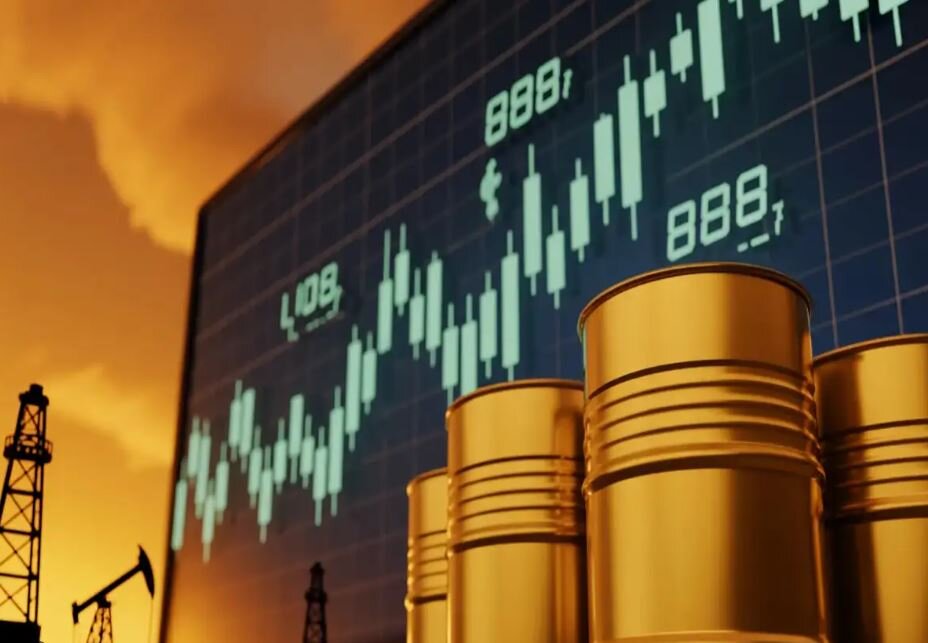
According to the Economic Desk of Webangah News Agency, the international oil market is currently experiencing a period of heightened volatility, driven by a complex interplay of shifting economic forecasts and geopolitical factors. The visible representation of these market forces, a financial chart displaying fluctuating price trends, stands in stark contrast to the gleaming gold barrels of oil, symbolizing the commodity’s central role in the global economy.
Analysts are closely monitoring various indicators that suggest a potential recalibration of oil demand in the coming months. These include adjustments in manufacturing output, consumer spending patterns, and the broader trajectory of inflation rates worldwide. The speculative nature of commodity trading means that even minor shifts in perceived future economic health can lead to significant price movements.
Furthermore, supply-side considerations continue to play a crucial role. Decisions made by major oil-producing nations and the ongoing stability of energy infrastructure are critical variables that traders and policymakers are factoring into their analyses. The delicate balance between supply and demand, exacerbated by potential disruptions, underscores the sensitivity of crude oil prices to a wide range of global events.
The visual depiction of the stock market chart, with its rising and falling candlesticks, serves as a potent reminder of the constant flux within financial markets. The numbers displayed on the screen, though abstract in this context, represent real-time trading data that influences investment decisions and national economies alike. The juxtaposition with the physical representation of oil underscores the tangible impact of these financial trends on a resource vital for industrial activity and transportation.


