
Iran’s Regional Influence Set to Grow Following US Military Defeat, Analysis Suggests
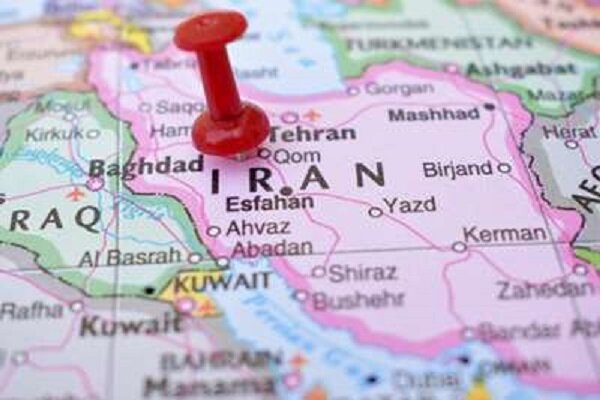
According to the International Desk of Webangah News Agency, a report by Palestine Chronicle, citing Mehr News Agency data, outlines five potential scenarios for the Middle East in the aftermath of a military confrontation between Iran and a U.S.-Israeli coalition. The region stands on the brink of profound and unprecedented geopolitical changes, which the report suggests will persist even if a ceasefire is achieved and sustained.
The analysis highlights a significant strategic vacuum between a temporary ceasefire and a comprehensive resolution to the crisis. This void, it posits, could be exploited by Israeli Prime Minister Benjamin Netanyahu, who is described as highly motivated to leverage it amidst his domestic political challenges, potentially seeking to re-escalate regional tensions.
The website enumerates the following scenarios arising from the U.S.-Israeli military aggression against Iran:
First: Internal Cohesion in Iran. Iran’s domestic front is likely to experience a new wave of unity. This could be driven by improved economic conditions, a surge in national pride, and a renewed social solidarity that unites conservatives and reformists. This cohesion would be bolstered by the legitimacy the system gains after repelling a joint U.S.-Israeli military attack.
Second: Restructuring of Security in the Persian Gulf. Iran’s emergence as a dominant regional player will redefine its relationships with neighboring Arab nations, particularly those in the Persian Gulf. Disappointed by Washington’s failure to support them, these countries may be compelled to negotiate directly with Tehran for the protection of their infrastructure.
Third: Collapse of Normalization Agreements. The report suggests that the collapse of the so-called Abraham Accords normalization agreements has become a strong possibility amidst these developments. The conflict, it argues, has demonstrated that normalizing relations with Israel did not deter Iran. Instead, it turned host countries into legitimate targets for retaliatory actions from Tehran. These nations now recognize that an alliance with Tel Aviv represents a strategic burden rather than an achievement.
Fourth: Shift in the Political Balance of Power in Lebanon. If the Israeli regime is forced to withdraw from Lebanon, the country could witness a significant transformation in its political balance of power. While Hezbollah may not seek internal retribution, the existing situation would fundamentally change, with Iran officially recognized as an effective strategic power in Lebanon. Consequently, Arab nations close to the Lebanese government might swiftly offer political concessions to protect their allies without demanding the disarmament of the resistance.
Fifth: Strengthening of the Palestinian Resistance Coalition with Iran. Palestinian resistance groups are expected to permanently bolster their alliance with Iran. This stems from their disillusionment with the international community and major Arab and Islamic nations.


