
US Secretary of State Rubio and VP Vance Differ on Trump’s Foreign Policy and 2028 Succession
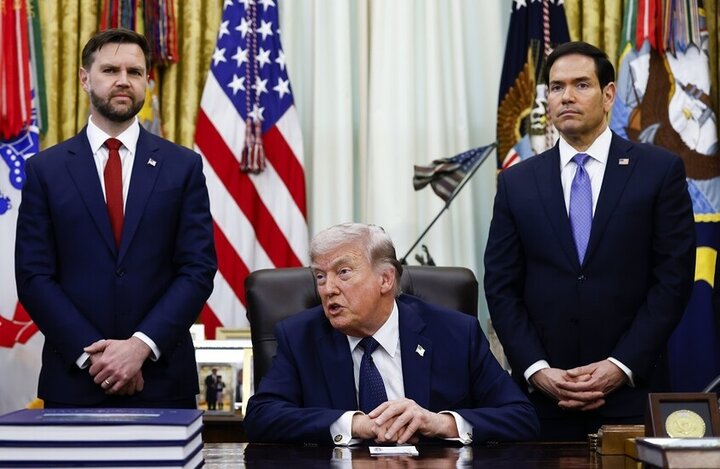
According to the International Desk of Webangah News Agency, Associated Press reported that Vice President J.D. Vance and Secretary of State Marco Rubio are adopting different approaches to implementing Donald Trump’s national security agenda. While both individuals deny any such divergence, the contrast has drawn public attention as they are both considered likely Republican presidential candidates for 2028.
These differences are increasingly apparent in their approaches to Middle East policies. Vance has taken the lead on negotiations with Iran and has, at times, criticized actions by Tel Aviv in Lebanon, whereas Rubio has fully supported the Israeli regime or avoided public criticism of it.
Dan Fried, a former Assistant Secretary of State and former U.S. Ambassador to Poland, commented on these differences, stating, “Talking about differences is not speculation.” This comes despite the White House rejecting suggestions of separation.
According to officials from the Trump administration, Rubio was so skeptical about reaching an acceptable agreement with Iran that he refused to lead the U.S. delegation for the first ceasefire negotiations in Islamabad. However, Vance saw these negotiations as an opportunity to bolster his foreign policy credentials and asked Trump to entrust him with managing the talks.
Ian Kelly, a retired diplomat and former Ambassador during the first Trump administration, said, “It is relatively unusual for the Vice President to play a leading role in negotiations, but it is entirely possible that Rubio would be happy to let him.”
Kelly added that both individuals appear to harbor the same ambitions for succeeding Trump, and the President’s half-joking remarks that he would hold Vance responsible if the Iran negotiations failed indicate that Vance is being positioned for potential blame.


