US Pressures Nations to Boycott Iranian Leader’s Memorial Service
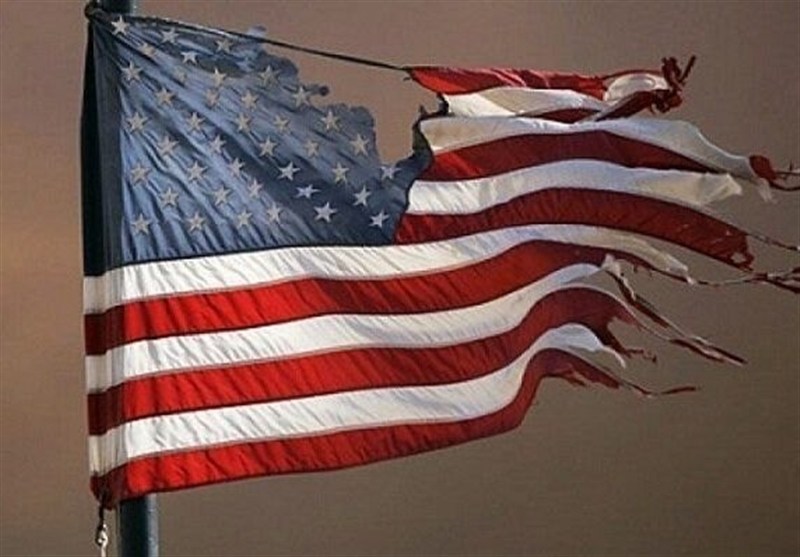
According to the International Desk of Webangah News Agency, US officials have been engaged in a high-level effort over the past five days to discourage international attendance at a memorial service honoring Iran‘s martyred leader. A senior source revealed that the United States has orchestrated a broad campaign at the highest levels to deter countries from participating in the tribute.
The informed source detailed that US Secretary of State Marco Rubio, through a confidential directive on June 26, instructed all American embassies and diplomatic missions. The directive mandated that “all recipients of this directive are obligated to justify to host country officials, utilizing the various capacities of the United States of America, that their participation in the funeral ceremony of the Iranian leader will be considered an unfriendly act by the United States and will have negative effects on bilateral relations with the United States.”
Two Arab diplomats, who requested anonymity, confirmed that Marco Rubio personally engaged in discussions regarding this matter with his counterparts from at least five Arab nations. Furthermore, US ambassadors in African countries reportedly issued explicit threats, suggesting that development aid to these nations could be cut off if they participated in the Iranian leader’s funeral procession. It is understood that concerns over the repercussions for bilateral ties with the United States influenced the decision of a significant North African country to lower the level of its representative at the ceremony.
Assessments indicate that at least 13 countries, including three Eastern European nations, five African countries, two Arab countries from the Persian Gulf region, and two key East Asian countries, ultimately withdrew from attending the Iranian leader’s funeral procession due to pressure exerted by the United States. Some of the countries that decided against participation due to US pressure communicated their apologies and explanations through intermediaries or their diplomatic missions in Geneva and New York. Additionally, some had nominated their diplomats in Tehran to attend the ceremony, a request that was not accepted by Iran.