
BRICS Summits Amplify Global South Voices in Media Landscape, Expert Says
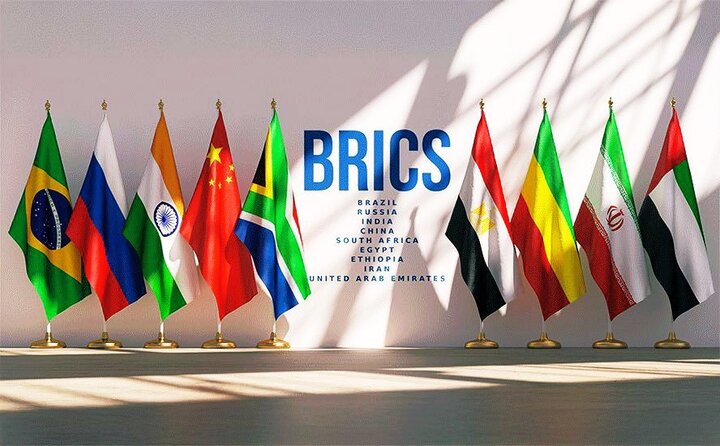
According to the International Desk of Webangah News Agency, Victoria Ruzvidzo, Editor-in-Chief of The Herald newspaper in Zimbabwe, has highlighted the significant role of BRICS meetings in strengthening the media presence of Global South countries. Ruzvidzo pointed to the evolution of the media landscape over the past two decades, identifying the emergence of digital media and social networks as key drivers of a multipolar media environment.
In an exclusive interview with TV BRICS, Ruzvidzo stated that the proliferation of digital media has created greater opportunities for new voices, particularly from the Global South, to be heard. She explained that alongside the growth of China, Russia, and other emerging economies, their international media outlets have also strengthened, contributing to a global information system’s shift toward multipolarity.
Responding to a question about the most impactful media development of the last twenty years that has contributed to a multipolar media order, Ruzvidzo remarked, “One of the most significant developments has been the advent of digital platforms and social networks. This development created a true turning point, providing space for new voices, especially from the Global South.”
The Editor-in-Chief of The Herald further described BRICS summits as pivotal events in bringing media from member countries closer. She noted that beyond formal sessions, these summits facilitate discussions on development, global governance, and South-South cooperation.
Ruzvidzo added, “BRICS summits have enabled media from member countries to collaborate through content exchange, joint meetings, and experience-sharing programs. This trend has, over time, contributed to the expansion of global media discourse and the strengthening of alternative voices.”
Looking ahead, Ruzvidzo predicted that media will increasingly migrate to digital spaces over the next twenty years, with technologies such as artificial intelligence and data-driven journalism playing more prominent roles.
She emphasized that in an era of rapidly disseminating information, “trust” will become paramount, and audiences will seek out media outlets that verify information and provide context for understanding events.
Ruzvidzo asserted that media organizations that successfully integrate technology with professional ethical principles and responsible journalism will thrive in the future.
The Editor-in-Chief also characterized a shared global agenda from a media perspective as “people-centered,” stressing that sustainable development, climate change, public health, and economic justice should be at its core.
Ruzvidzo underscored the necessity of respecting cultural diversity and ensuring fair representation for different regions of the world, particularly Africa. She stated that media should help bring nations closer and increase mutual understanding, rather than exacerbating divisions and conflicts.
Regarding topics concerning Zimbabwe that warrant greater attention from foreign media, Ruzvidzo pointed to economic reforms, infrastructure development, agricultural sector transformations, and the country’s engagement with international partners.
She suggested that the Zimbabwe International Trade Fair and investment summits could also offer a more accurate picture of the nation’s developmental trajectory. Ruzvidzo also identified Zimbabwe’s role in regional diplomacy, peacekeeping, and combating climate change as further subjects deserving of increased international media coverage.
On the concept of creating a shared information space in Eurasia and globally, Ruzvidzo expressed that the idea is positive if founded on mutual respect and equality.
She outlined media cooperation in forms such as content exchange, journalist exchanges, joint training programs, and collaborative productions. Ruzvidzo believes international cooperation can enhance skills, broaden perspectives, and strengthen professional standards.
Concluding her remarks, Ruzvidzo defined true journalism as being based on accountability and service to society, stating that accuracy, balance, and integrity must remain fundamental principles for journalists, irrespective of the media platform.


