
Iran’s Evolving Regional Stance Crucial for Afghan Stability, Economic Growth
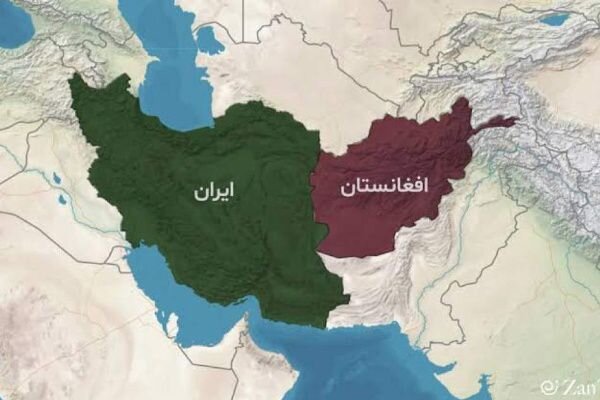
According to the International Desk of Webangah News Agency, Afghanistan‘s future trajectory is inextricably linked to shifts in Iran’s regional policies, particularly concerning critical areas such as border security, economic pathways, water resource management, and the status of millions of Afghan refugees.
With a shared border exceeding 900 kilometers, Iran and Afghanistan’s security landscape is deeply interconnected. The rise of extremist groups like ISIS-K poses an immediate threat to both nations, highlighting the critical need for coordinated intelligence sharing and robust joint border control mechanisms. Any alteration in Iran’s approach to border issues directly influences Afghanistan’s security belt, either bolstering or weakening its defenses.
As a landlocked nation, Afghanistan relies heavily on external routes for trade. Iran’s Chabahar Port represents a vital and economically strategic gateway for Kabul to access the open seas and Indian markets. The expansion of this port and the facilitation of goods transit through Iran could significantly reduce Afghanistan’s trade costs and diminish its reliance on traditional, often more circuitous routes. Furthermore, Iran is one of Afghanistan’s largest trading partners. Changes in Iran’s customs, tariff, and currency policies have a direct impact on Kabul’s domestic market. Streamlining trade processes, reducing administrative hurdles, and ensuring stable economic policies can foster greater trade between the two countries, thereby strengthening Afghanistan’s economy.
The management of water resources, particularly concerning the Helmand River, remains a persistent challenge between Afghanistan and Iran. This issue extends beyond technical or legal aspects, carrying significant economic, social, and security implications. Agriculture and the ecosystems in Afghanistan’s border regions are heavily dependent on water resource management. Conversely, water scarcity in Iran’s eastern regions can also strain bilateral relations. Iran’s engagement or confrontation on this issue will critically shape the agricultural livelihoods of border communities in Afghanistan and influence diplomatic relations. Regular technical and legal dialogues, adherence to existing agreements, and avoidance of politicization are key to preventing new tensions and fostering joint water resource management.
Iran hosts millions of Afghan migrants from various backgrounds, fostering deep human and economic ties between the two nations. Tehran’s decisions regarding the organization, deportation, or provision of facilities to migrants exert direct economic and social pressure on Afghanistan. The sudden, unorganized return of migrants can strain Afghanistan’s labor market, public services, and urban infrastructure. Conversely, establishing orderly systems for legal migrant presence, issuing work permits, and protecting their rights can benefit both countries. This underscores that Iran’s immigration policy cannot be viewed solely as an internal matter; it directly influences Afghanistan’s social and economic stability.
As a key regional player, Iran can facilitate Afghanistan’s diplomatic integration into regional organizations like the Shanghai Cooperation Organization. Tehran’s standing in regional affairs, its capacity to participate in multilateral forums, and its extensive relationships with neighboring countries all influence Kabul’s international standing. Iran’s cooperation in introducing Afghanistan to regional bodies, supporting the presence of Afghan representatives at economic and security summits, and working towards a shared understanding of Afghanistan’s developments can help reduce Kabul’s diplomatic isolation and smoothen its engagement with the global community.
In conclusion, Iran’s political and strategic calculations serve as a barometer for stability in Afghanistan. Kabul needs to redefine its relationship with Tehran on the basis of shared interests to overcome its economic and security crises. Any shift in Iran’s foreign policy towards its neighbors could translate into economic opportunities or intensified geopolitical isolation for Kabul. Due to their long shared border, deep cultural and historical ties, and mutual economic and security dependencies, Afghanistan and Iran cannot remain indifferent to each other’s internal developments. The future of their relationship hinges on the ability of both sides to recognize common interests, manage differences, and build sustainable cooperation frameworks. Within this context, changes in Iran’s equations are not merely an internal policy matter for Tehran but a decisive factor in shaping Afghanistan’s future path.


