
Global Aluminum Market Faces Crisis Amidst Hormuz Strait Tensions
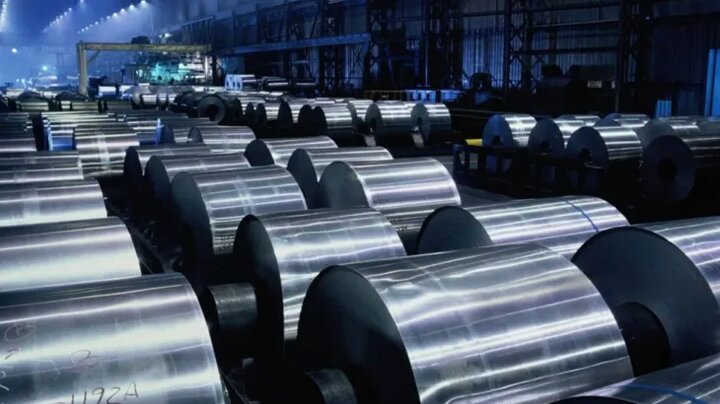
According to the International Desk of Webangah News Agency, escalating tensions in the Strait of Hormuz have plunged the global aluminum market into a crisis. This situation has concurrently driven prices to their highest level in seven weeks and caused unprecedented declines in global reserves, leaving significant impacts on downstream industries.
Al Jazeera reported that Gulf Cooperation Council countries produce approximately 9 percent of the world’s aluminum, equating to over 6.5 million tons annually, with roughly 60 percent exported. Consequently, any disruption to trade movements through this vital waterway directly impacts market equilibrium.
Aluminum prices reached $3,360 per ton during mid-week trading, influenced by geopolitical tensions and supply concerns. The Norwegian company Norsk Hydro has cautioned that if trade does not return to normal, a global deficit could exceed 900,000 tons annually.
These developments coincide with a continuing downward trend in aluminum reserves at the London Metal Exchange warehouses since the beginning of the year. Reserves have fallen to nearly a quarter of a million tons, the lowest level recorded in 36 years.
The United States leads the list of the world’s largest aluminum importers, with imports approaching 5 million tons last year. China follows with over 3 million tons, Germany with approximately 2.5 million tons, and Japan with more than 2 million tons.
Shima Joy, Al Jazeera’s Beijing bureau chief, stated that China is seeking suitable alternatives despite supply shortages from the Middle East. Given China’s position as the world’s largest producer and exporter of aluminum, with an output of around 45 million tons per year, it faces no significant issues in this regard.
China’s production constitutes about 60 percent of the total global output but has reached its production capacity ceiling. This limits Beijing’s ability to increase output to meet the needs of other markets, especially under the pressures faced by European Union countries.
News from the United Kingdom indicates that the country’s reserve reduction to nearly a quarter of a million tons has caused significant concern among buyers and investors, impacting market prices. Prices have risen by approximately 4.8 percent over the past seven days.
Al Jazeera adds that if the Strait of Hormuz remains closed, prices may continue their upward trajectory. The pressure is not solely limited to the loss of about 9 percent of global production originating from the Persian Gulf; it is also linked to other developments in the alumina market.
Norsk Hydro has announced a 50 percent reduction in production at its facility in Brazil, the world’s largest alumina production plant used in aluminum smelting. This move has further heightened concerns among market participants regarding a potential shortage of raw materials.
Ross Strachan, Head of Commodities at CRU Group, emphasized that the aluminum market is highly sensitive to any shifts in supply-demand balance. Therefore, supply disruptions in the Persian Gulf could have a substantial impact on global supply chains.
Automotive, aerospace, and construction sectors have been facing increasing pressure for months due to rising prices and supply shortages. Several wheel rim manufacturers in West Asia have been compelled to reduce production because of disruptions in supply chains originating from the Middle East.
Strachan further noted that in the United States, aluminum prices have surpassed $3,000 per ton. Coupled with import duties exceeding 50 percent, consumers are paying unprecedented prices for this metal and its products, negatively affecting demand.
These developments underscore that the continuation of the crisis in the Strait of Hormuz could transform limited supply shortages into broader pressure on aluminum-dependent industries, particularly given depleted reserves and elevated import costs. This escalates the risk of inflation and industrial slowdown.


