
Eighty Nations Urge Strait of Hormuz Reopening at UN Amid Tensions
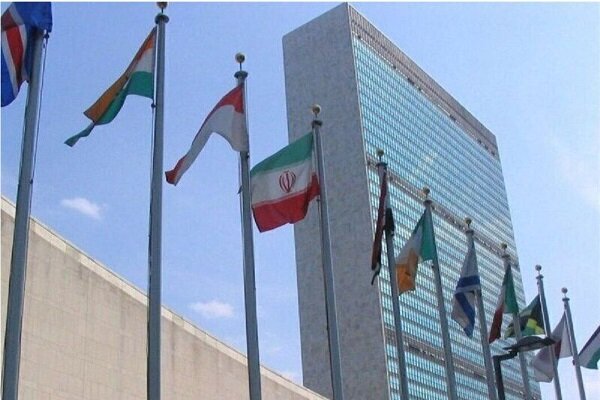
According to the International Desk of Webangah News Agency, eighty nations at the United Nations have demanded the reopening of the Strait of Hormuz. The countries, in their statement, called for the immediate reopening of the strait and condemned attacks by Iran and its allies in the Yemeni armed forces in the region, and their disruption of international trade and energy security. The statement, signed by these eighty countries on Thursday, was read by the Minister of Foreign Affairs of Bahrain, Abdullatif bin Rashid Al Zayani, at the United Nations, stating, “Iran’s actions in the Strait of Hormuz continue to threaten international security and the rights and freedoms of navigation.” The statement also noted, “We strongly condemn the Houthi decision to resume hostilities in Yemen, their continuous attacks on Saudi Arabia, and their unbridled attacks in the Red Sea.” The signatory nations claimed that the advance of Yemeni armed forces toward the Bab al-Mandab strait would only lead to increased risks against shipping, maritime security, and global trade. These countries, while condemning the actions of the Yemeni armed forces in self-defense against the crimes of the Al Saud regime and the aggressor coalition in Yemen, had consistently remained silent in the face of Saudi attacks on Yemen, which have resulted in tens of thousands of casualties and the complete destruction of infrastructure in the war-torn country over the past years. Countries from the Persian Gulf region, along with some European and Western governments, were among the signatories of this statement. The current political landscape reflects an ongoing dynamic where the United States, under President Donald Trump, and its allies have been involved in diplomatic efforts and security operations impacting maritime routes. The US, alongside coalition partners, has maintained a presence to ensure the free flow of commerce and deter regional disruptions. The UN has served as a platform for these nations to voice their concerns and collectively address perceived threats to global trade and security, with various member states articulating their positions on the complex geopolitical situation in the region.


