Gulf Arab States Express Deepening Frustration with Trump Administration Over Iran Conflict
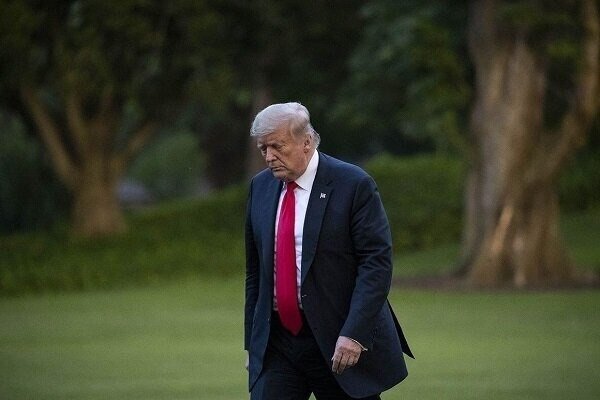
According to the International Desk of Webangah News Agency, a growing tide of dissatisfaction with the administration of U.S. President Donald Trump is sweeping across the Persian Gulf region, as echoed by Arab and Western officials in statements to The Washington Post. This sentiment arises from concerns that Washington may falter in managing the political trajectory required to end the conflict with Iran and achieve a pact that safeguards regional security and stability.
The Washington Post reported that Saudi Arabia, the UAE, Qatar, Kuwait, and Bahrain are now united in their displeasure with the Trump administration, following months of hostilities and persistent drone and missile attacks from Iran targeting U.S. and allied positions. This situation has unfolded as Trump has repeatedly threatened new strikes against Iran in recent weeks, only to retract these threats later, citing progress in negotiations. This fluctuating approach has amplified the anxieties of Persian Gulf nations regarding the lack of a clear strategy and consistent U.S. policy.
Quoting an official from the Persian Gulf Arab states, The Washington Post stated, “Trump initiated this war, and we are paying the price.” The report indicates that anger and dissatisfaction with the United States have surged to their highest point since the February confrontation with Iran. Despite the continued reliance of Persian Gulf Arab countries on the U.S. as their primary security partner and main weapons supplier, some nations are reportedly re-evaluating the efficacy of American military bases on their soil. Given the direct repercussions of regional conflict, these countries have raised doubts about the continuation of this presence.
Analysts suggest that U.S. allies in the Persian Gulf feel drawn into a war that does not align with their interests, and that the Trump administration is currently struggling to find a resolution. “Trump’s policy toward Iran is variable and unpredictable,” commented Firas Maksad, Director of the Arabia Foundation’s Middle East and North Africa Program. Anna Jacobs from the Arab Gulf States Institute in Washington added that trust in the United States has eroded since the conflict began, and Washington’s allies now believe its actions in the region undermine their security. The stance of Arab nations has shifted following the realization that the war has not led, nor will it lead, to a swift overthrow of the Iranian regime or the reopening of the Strait of Hormuz.