
Israeli Elections Approach Amidst Ongoing Conflict, Analysts Predict No Major Policy Shift
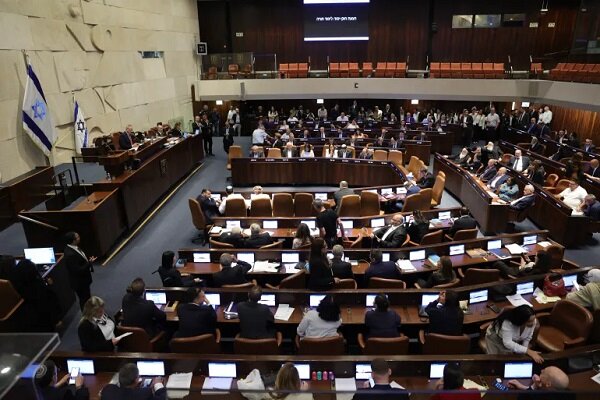
According to the International Desk of Webangah News Agency, Israel is preparing for its parliamentary elections scheduled for October 27, 2026. The elections are framed as a contest between two main blocs: one led by Benjamin Netanyahu and his coalition of right-wing and far-right parties, and another comprising diverse left-wing, centrist, and even right-wing parties currently experiencing internal divisions and fragmentation.
Arab parties, projected to secure approximately 10% of the 120 Knesset seats, are largely excluded from coalition calculations, as their participation in any government is viewed as a “betrayal” by a significant portion of the Israeli public. The upcoming elections, described as “destiny-defining” within the occupied territories, are taking place after three years of continuous conflict on multiple fronts. Notably, the core decisions, outcomes, and consequences of these wars are not fundamentally points of contention between the two main political blocs.
Benjamin Netanyahu is focusing his election campaign on security issues, while his opponents aim to prioritize domestic affairs and highlight the government’s perceived failures in preventing the events of October 7. Crucially, there appears to be no political agenda from the dominant forces in the occupied territories’ elections concerning strategies to exit the current state of warfare. Both sides seem to affirm the necessity and justification of the ongoing conflict, with disagreements primarily revolving around the Israeli government’s conduct during the war and the methods of its conclusion.
Given the relatively predictable vote distribution across electoral segments in the occupied territories, Netanyahu and many within his bloc are concentrating on forming lists and coalitions that can guarantee passage of the electoral threshold, thereby safeguarding votes that might otherwise be lost. Netanyahu’s current electoral strategy centers on establishing a party list that ensures his party’s dominance within the Knesset, preventing right-wing votes from being diluted among smaller, newly formed coalitions and lists.
Current polls suggest that if elections were held today, Netanyahu’s bloc would secure fewer than 50 seats, falling short of the parliamentary majority by 11 seats. Conversely, the rival bloc, if its projected seats are realized, could reach around 61 seats, posing a significant threat and indicating a potential defeat for Netanyahu and his allies.
In this challenging scenario, Netanyahu is reportedly aiming to mitigate the extent of a potential defeat rather than prevent it altogether. His strategy involves discouraging right-wing Likud voters from shifting their support to other right-wing parties. This is being pursued by rejecting any potential solutions or compromises on the conflict fronts and adhering to high operational ceilings, often highlighted by daily imagery of casualties and escalating tensions in Gaza, the West Bank, or other fronts.
Consequently, the continuation of daily fatalities forms a critical component of Netanyahu’s electoral battle toolkit. Should these operations cease and Netanyahu yield to pressure, his defeat would be considered “definitive.” However, even if the rival bloc secures a majority of 61 seats, it faces significant hurdles due to internal political demands, rivalries, and reciprocal conditions, which would complicate coalition formation for whoever is tasked with forming a government. Competition for leadership within this rival bloc continues among Gadi Eisenkot, former Chief of Staff; Naftali Bennett, former Prime Minister; and Avigdor Lieberman, former Minister of Defense.


