
Foreign Policy: Iran War Reshapes Global Dynamics, Bolsters Tehran’s Regional Stance
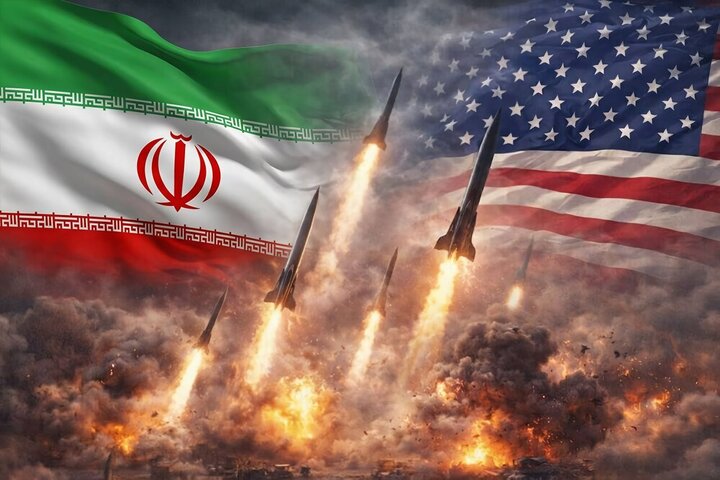
According to the International Desk of Webangah News Agency, Foreign Policy has emphasized in a report that the war against Iran, rather than weakening the country, is bolstering it. This is because the conflict has taught Tehran how to leverage the Strait of Hormuz and target American allies in the region, thereby imposing substantial economic and psychological costs on all parties involved.
The report indicates that the conclusion of the war without effective deterrence against Iran could strengthen its regional and international power, despite any military setbacks it may have sustained. Foreign Policy further stated that the war against Iran could serve as a historical turning point in redefining geopolitical rules. The consequences of this conflict extend beyond the battlefield, leading to a redrawing of power dynamics in the region and globally. This includes enhancing Iran’s capability to threaten its adversaries and potentially increasing China’s military influence.
The report highlights that even a few successful attacks and missile strikes could threaten the energy, trade, investment, and tourism sectors of Arab nations in the Persian Gulf, which have been perceived as secure regions. Following the demonstration of limitations by the United States and the Israeli regime in supporting them, these countries have begun acquiring Turkish drones, while others have turned to China and Ukraine. Israel may also resort to a policy of creating buffer zones in Gaza, Lebanon, and Syria, conducting successive attacks against its adversaries. Such actions would necessitate long-term military and social expenditures, potentially exhausting Israel’s economy and impacting its technology sector. These operations could lead to further isolation of Tel Aviv and deepen divisions with the United States.


