
Israeli Military Analyst: Situation in Lebanon Worse Than Three Months Ago
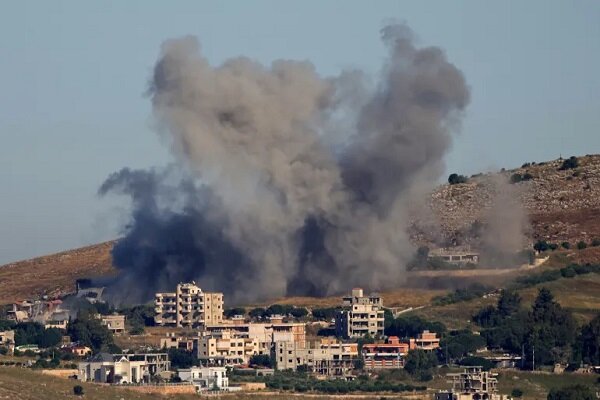
According to the International Desk of Webangah News Agency, Neri Dvori, a military affairs analyst for Israel‘s Channel 12 television, has described the regime’s situation in Lebanon as worse than it was three months prior. Dvori emphasized that Tel Aviv is losing its achievements and deterrence capabilities in the face of continued clashes.
Dvori explained that within the framework of the current operations by the Israeli army along the Blue Line and infiltration operations beyond the Litani River, Hezbollah successfully identified Israeli armored forces. He further detailed an incident where a Hezbollah anti-tank missile struck and hit one of the tanks, resulting in the death of its commander.
He characterized this event as indicative of the worsening field situation for the Israelis. Dvori asserted that while the Israeli army continues its operations, Hezbollah is also persisting with its attacks against Israeli forces and northern settlements. These attacks have not ceased despite ongoing direct negotiations in Washington.
The analyst highlighted what he termed the most dangerous development in recent weeks: the United States beginning to lose its deterrence power. Dvori stated that when U.S. President Donald Trump articulates a position, regional parties in Tehran and Beirut do not take it seriously. He described this as a profoundly negative development for Israel.
The Israeli analyst expressed that the Israeli regime is entirely dependent on the United States and follows its lead, halting its activities when instructed. However, he noted that other parties do not respect or adhere to these decisions. He pointed out that various parties are attempting to comprehend the implications of new positions regarding the situation in Lebanon and ongoing negotiations with Iran.
This Israeli expert, while acknowledging the interconnectedness of these issues, indicated a deep concern about Gaza becoming involved in this equation, which could potentially lead to the failure to achieve objectives in any of these arenas. Dvori underscored a profound sense of frustration within Israeli circles, stating that the current state of affairs cannot continue and the “neither war nor peace” scenario is unsustainable. He outlined two clear options: either the continuation of the military path to its conclusion, or a move towards an agreement and political settlement.
He elaborated that the security and military establishment, as well as discussions within Prime Minister Netanyahu’s circle, are raising this same idea. This implies either granting the Israeli army the freedom to implement its planned operations, or ceasing operations and pursuing a political resolution. The Israeli expert stressed that prolonging the current trend will lead to the erosion of “achievements” and deterrence power, alongside the withdrawal of the Israeli army and the infliction of heavy blows and damages.
Concluding his assessment, Dvori stated that current conditions clearly indicate that Israel’s situation in Lebanon has worsened compared to three months ago. He recalled that the army previously enjoyed a wide margin of maneuverability in Lebanon, with the ability to strike targets in various locations, a margin that has now significantly diminished. He added that Hezbollah, in contrast, continues to strengthen its capabilities and gain greater confidence for its operations, allowing its deputy secretary-general, Sheikh Naeem Qassem, to openly declare his opposition to American conditions.


