
Iran Leverages War Gains and Strait Control in Post-Conflict Diplomacy
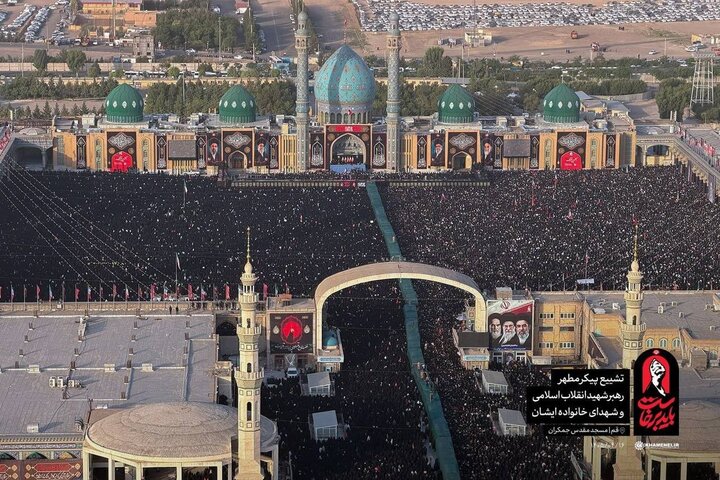
According to the International Desk of Webangah News Agency, Reuters reports that the massive funeral processions for a martyred leader of the Islamic Revolution in Tehran, Qom, Karbala, Najaf, and Mashhad carried a clear message to the United States and the Zionist regime: their efforts to subdue the Islamic Republic have failed. The grand ceremony transcended a national farewell, serving as a public testament to Iran‘s resilience.
Regional officials, diplomats, and analysts cited by Reuters suggest this potent symbolism of defiance and endurance will form the bedrock of Tehran’s negotiation strategy. Western observers describe this as a moment where Tehran has successfully converted its capacity for resilience into a bargaining chip.
These observers note that recent conflicts have underscored Iran’s influence over the Strait of Hormuz, making it difficult to separate its control of the waterway from discussions about the war or its nuclear program in future negotiations.
Tehran’s Leverage Points
The report further indicates that Washington aimed to halt Iran’s nuclear program during a 60-day ceasefire. However, recent events demonstrate that Iran now possesses new leverage points extending beyond its nuclear activities. Reuters states that Tehran is leveraging its control over the Strait of Hormuz and seeking to solidify its dominant position there, converting its war gains into a lasting strategic advantage. This is being achieved by managing the pace of events during the ceasefire period, potentially through arrangements for passage, coordination mechanisms, or the imposition of fees for services along a route vital to global energy transport.
Alexey Vatevka, an analyst at the Middle East Institute in America, commented that while taxing ships transiting the Strait could generate substantial revenue, Tehran’s focus on the waterway extends beyond mere economics. He explained that Iran seeks to use the Strait as a source of political legitimacy, emphasizing that symbolic implications are more important to Iranians than financial gains. They desire recognition of their stewardship over the Strait, linking it to Iran’s acceptance as a sovereign power in the region.
Vatevka believes that Iran’s sovereignty over the Strait of Hormuz holds greater value for the country than the lifting of sanctions or the release of frozen assets. He asserts that Iran maintains a firm stance on the Hormuz issue and will not compromise its rights under any circumstances.
Regional sources and diplomats indicate that Iran is deliberately slowing down negotiations to consolidate what it considers “war achievements” before re-engaging on the nuclear issue. Former U.S. diplomat and Iran expert Alireza Air writes that Iran’s strengthening position in the Strait of Hormuz is far more critical than its nuclear program. He suggests that Iran is content with prolonged negotiations, aiming to establish control over the Strait and is currently engaged in discussions to institutionalize this control.
Reuters adds that U.S. President Donald Trump is constrained by domestic politics and upcoming midterm congressional elections, facing greater pressure to secure a deal with Iran than Iran faces to make concessions. Alireza Air notes that Iranians understand Trump’s desire to exit the crisis and recognize their ability to pressure him, as time is on their side. He concludes that while no one will emerge victorious, Iran stands to lose less than the United States.
Return to the Previous State Is Not Possible
Aaron David Miller, a former U.S. negotiator on Middle East affairs, states that the military action initiated by Washington failed to break Iran’s resolve, leaving American diplomacy with a fragile ceasefire that requires significant effort to implement. He explains that Tehran sees no need to seriously engage on its nuclear program until it secures acceptance of the new reality concerning the Strait of Hormuz and achieves tangible progress in releasing billions of dollars in frozen assets abroad.
Miller clarifies that the 60-day deadline was always somewhat aspirational, and Iranians will not move towards the nuclear file until they are confident in the consolidation of the new status quo. They want to ensure that world leaders, particularly President Trump, understand that a return to the pre-February 27th situation is impossible. Reuters concludes its report by stating that Washington will likely be compelled to accept the reopening of the Strait of Hormuz under terms largely dictated by Tehran.


