Lebanon Reports 65 Fatalities and Hundreds of Violations in First 10 Days of Framework Agreement
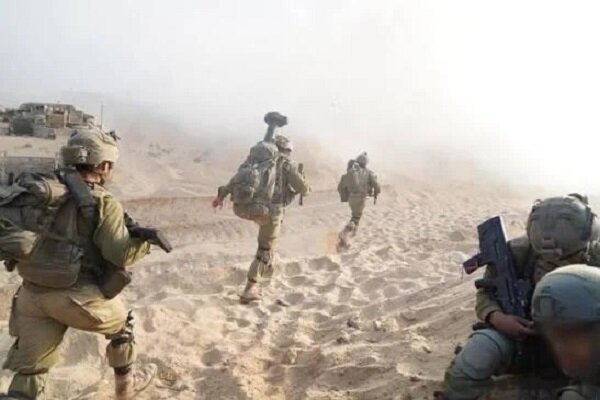
According to the International Desk of Webangah News Agency, data published by Mehr News Agency, citing Al-Akhbar, indicates that the “framework agreement,” signed on June 26 by representatives of Lebanon and the Israeli regime, has been violated by the Israeli regime dozens of times within just ten days of its inception. Despite the agreement by Lebanese President Michel Aoun and Prime Minister Naff Al-Amin, reportedly discussed to avoid its rejection by the Council of Ministers, Lebanon has seemingly gained nothing from this accord amidst repeated Israeli transgressions. There are no verbal assurances or clear processes established to achieve Lebanon’s demands for a cessation of hostilities and withdrawal from its territories.
Crucially, investigations into the matter are being influenced by ground developments, particularly as the Israeli enemy seeks U.S. approval to resume military operations against Lebanon under the pretext of having an opportunity to eliminate Hezbollah. The ground developments between June 26 and July 6 do not signify a political or military ceasefire but rather a continuation of Tel Aviv’s consistent military operational pattern. Lebanese Ministry of Health data and independent sources report approximately 65 fatalities and between 110 to 170 injuries in Lebanon during the first ten days of the agreement’s implementation. During this period, numerous areas in southern Lebanon, including civilian and agricultural zones, continued to be targeted without any alteration in the rules of engagement or any indication of genuine control over Israel’s aggressive behavior.
Ground data reveals that between 180 to 230 violations were registered during the same timeframe, encompassing airstrikes, local shelling, military movements, and limited incursions. The Israeli regime has effectively declared its intention to maintain a military presence in “security zones” in southern Lebanon and the Hermon heights, without specifying a clear timeframe. This presents a fundamental issue regarding the nature of the agreement and suggests no commitment to halt or organize the withdrawal of the Israeli army from Lebanese territories. The Israeli Prime Minister and Minister of War have emphasized that the Israeli army will be maintained as a “strategic necessity” under the guise of preventing any future threats.
Despite these circumstances, Lebanese President Michel Aoun continues to assert that the agreement does not legitimize the presence of Israeli forces within Lebanese territory. He claims the agreement aims to establish a gradual withdrawal process that would pave the way for the Lebanese army to expand its full authority in the south.