
Pakistan Navigates Shifting Alliances Amid Regional Tensions
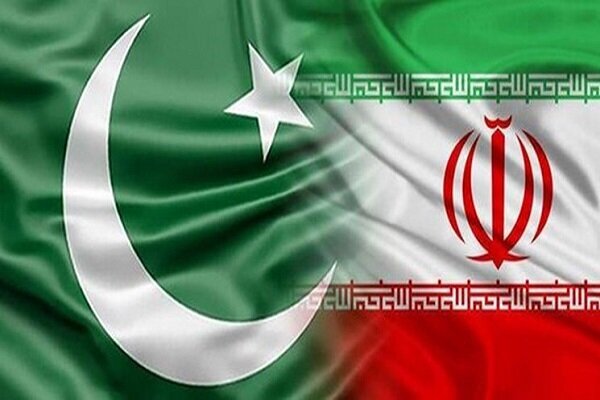
According to the International Desk of Webangah News Agency, Reuters reported that Pakistan has played a dual role for a significant portion of the past year, serving as Riyadh’s defense partner and Washington’s communication conduit to Tehran. However, recent clashes between Yemen’s Houthi forces and Saudi Arabia are increasingly questioning how long Islamabad can maintain both these positions concurrently.
Reuters further elaborated that these conflicts represent the first serious test for a joint pact, the Mecca Agreement, signed last month between Pakistan, Saudi Arabia, and Turkey, which augmented a prior agreement between Islamabad and Riyadh. This pact stipulates that an armed attack on any one of these three nations will be considered an attack on all of them.
Two Pakistani officials told Reuters in July that Pakistani soldiers had been deployed near Saudi Arabia’s border with Yemen, increasing the likelihood of their direct involvement in the conflict. Defense contracts with Persian Gulf countries are a crucial component of Pakistan’s strategy to bolster its nascent economy following years of crisis, often accompanied by parallel or subsequent negotiations concerning investments from Persian Gulf nations. Nevertheless, Pakistan is also dependent on oil and gas shipments traversing the Strait of Hormuz and the Red Sea. This dependence provides Islamabad with a rationale to avoid alienating Tehran, even as it deepens ties with Persian Gulf states.
The news agency added that indications suggest Islamabad is now reconsidering its approach, recognizing the complex dimensions of the “balancing act” it has undertaken. Informed sources stated that Pakistani officials, concerned about deepening military ties with another Persian Gulf country facing missile attacks from Iran (retaliatory strikes on U.S. bases in Kuwait), have scaled back the level of these discussions.


