Netanyahu’s Swift New York Departure Signals Deep Crisis for Israeli Regime
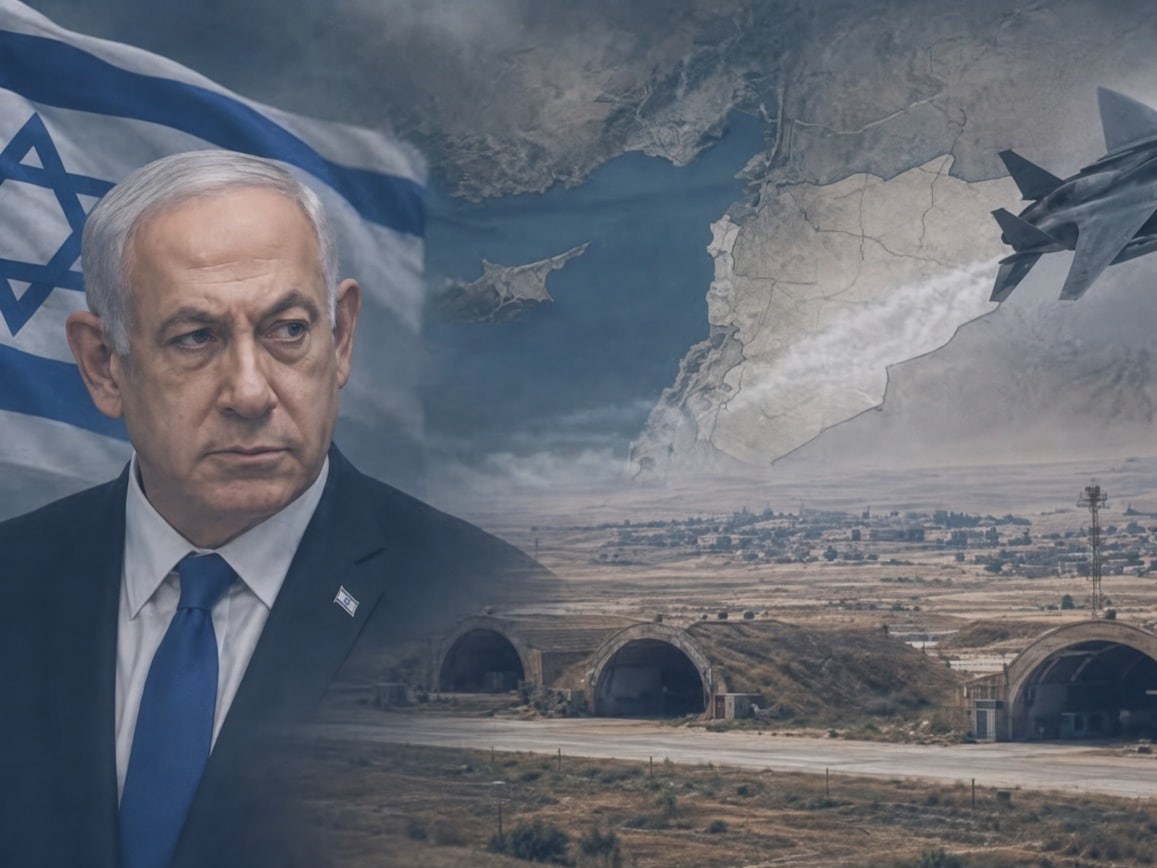
According to the International Desk of Webangah News Agency, Prime Minister Benjamin Netanyahu‘s lightning-fast, panicked, and less-than-14-hour trip to New York and his hasty departure from American soil, driven by fears of legal pursuit and public anger, offered a naked tableau of the fundamental crisis plaguing the illegitimate Zionist entity. Netanyahu’s monologue, delivered to an audience-empty hall, and the synchronized exit of diplomatic delegations from 77 countries occurred precisely within the heart of a nation that serves as the undisputed provider of armaments and a protective umbrella for this regime. This event proved that the erosion of Tel Aviv’s standing is unstoppable, even within the strongholds of its traditional supporters.
Even the Trump administration’s attempt to normalize Netanyahu’s presence on American soil proved fruitless. Ultimately, the prime minister of the Zionist regime entered the United Nations headquarters like a “criminal” and left just as quickly. The heavy, terrifying silence that hung over the empty seats of the General Assembly spoke louder than any political address, marking the end of Tel Aviv’s doctrine of “exceptionalism and inherent immunity.” Decades of Western-Zionist think tank efforts to impose an ordinary, civilized, and democratic image on a regime built on the pillars of occupation and crime vanished into thin air in a single historical moment. The boycott of this platform proved that the international community’s tolerance for systematic barbarism has reached its limit, and associating with a perpetrator has become an irreparable stain on the record of global actors.
The primary driving force behind this diplomatic defiance is the decisive victory of “Jihad of Explanation and Public Awareness” in the cognitive layers of the world. In the era of digital transparency, unvarnished images of crimes and child killings in Gaza and Lebanon have shattered the monopoly of mainstream media. The eruption of anger and protest waves in universities and streets of Western and Eastern capitals has placed conservative and pragmatic leaders at a fundamental crossroads: “compliance with political calculations with the regime’s supporters” or “political suicide in the face of domestic public opinion.” The decision by many of these 77 countries to withdraw symbolizes the unavoidable submission of governing structures to the tsunami of citizen awakening. The consequences of this event have shattered the backbone of Zionist perceptual and diplomatic deterrence.
In this regard, the regional integration project has reached a strategic dead end, as association with a pariah structure offers only reputational damage. Furthermore, this historical isolation has provided unprecedented tangible and psychological support to institutions like the International Criminal Court and The Hague to pursue international arrest warrants. The image of a prime minister speaking only to the walls of the hall also delivered a severe blow to the illusion of power and will accelerate internal rifts and reverse migration in the occupied territories.
History has shown that missiles and the machinery of death may be capable of destroying homes, but they are never able to create “legitimacy.” The occupying regime, at the peak of its belligerence, is experiencing the loneliest period of its existence – a juncture where the cry of empty seats heralds the sunset of intimidation hegemony and the definitive victory of historical conscience over the logic of force.