
US Military Departs Iraq Amid Ongoing Control Over Oil Revenue
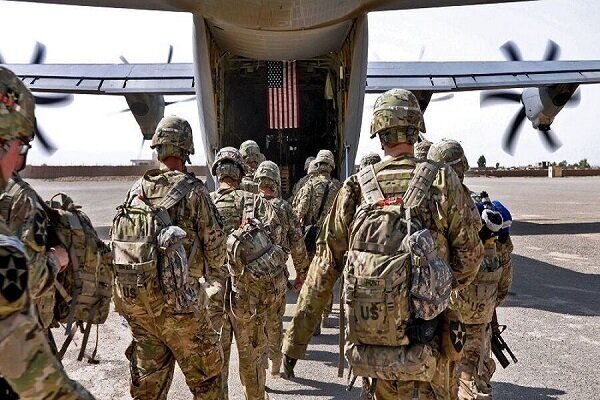
According to the International Desk of Webangah News Agency, American military personnel stationed in Iraq are set to depart their last bases in the country on Wednesday. This withdrawal follows a conflict spanning over two decades, which resulted in the deaths of 4,500 American soldiers. Despite the military retreat, the United States effectively retains control over the dollar revenues generated from Iraq’s oil sales, a mechanism established since the 2003 invasion. This arrangement grants Washington exceptional influence in Baghdad’s internal affairs, with implications extending to regional balances involving Iran.
Washington’s management of Iraqi oil revenues is primarily channeled through the deposit and oversight of these funds by the Federal Reserve Bank of New York. Following the 2003 invasion, the U.S.-led Coalition Provisional Authority established the Development Fund for Iraq (DFI), which was deposited with the Federal Reserve. Washington claimed these funds were for the reconstruction and development of Iraq. The DFI was also purportedly designed to safeguard Iraqi oil revenues from legal claims and demands related to the Saddam Hussein era. Then-U.S. President George W. Bush issued an executive order to this effect, which subsequent presidents have consistently renewed. Ultimately, the DFI evolved into an account subsidiary to the Central Bank of Iraq, held at the Federal Reserve Bank of New York, a status that persists to this day.
Oil constitutes the bedrock of the Iraqi economy, accounting for approximately 90 percent of the government’s budget. This dependence grants the U.S. considerable leverage over the country’s economic and political stability. Reports surfaced in 2020 indicating Washington threatened to deny Iraq access to funds held at the Federal Reserve Bank of New York when the Iraqi government requested the withdrawal of U.S. forces. This threat ultimately compelled Baghdad to reconsider its position. Although the Iraqi government now exercises greater control over its finances compared to the initial years of the U.S. occupation, the ongoing financial relationship underscores Washington’s persistent influence on Iraq’s economic outlook as the nation strives to solidify its sovereignty and independence.
Currently, Iraq’s oil revenues remain under the purview of the Federal Reserve Bank of New York. The Central Bank of Iraq previously relied on what were officially known as “foreign exchange auctions” to procure dollars. Private banks and exchange houses could bid daily to acquire dollars by purchasing them with Iraqi dinars. However, in early 2025, Iraq officially terminated its foreign exchange auction system following intense pressure from Washington as part of a broader campaign to combat alleged dollar smuggling to sanctioned entities, particularly Iran.


