
Iran Boosts Retiree Purchasing Power by 5% with New ‘Wallet’ System
According to the International Desk of Webangah News Agency, Iran is implementing a new “digital wallet” system for retirees, with a pilot program scheduled to commence in at least one province by the end of October. This initiative, designed to accelerate pension disbursements, is expected to boost the purchasing power of retirees by a minimum of five percent.
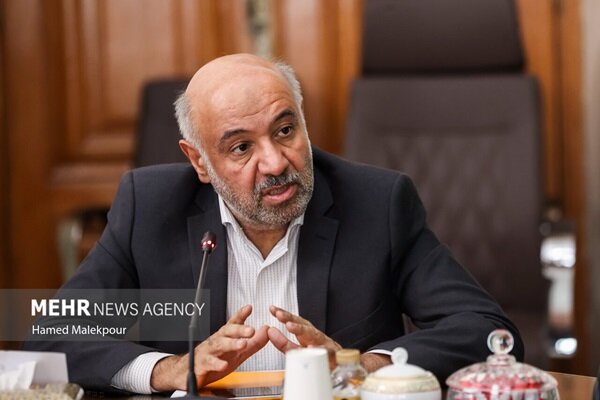
Minister of Cooperatives, Labour, and Social Welfare, Ahmad Movahedi, highlighted the program’s potential to streamline the process of delivering monthly pensions. Unlike the current multi-day disbursement period, the “digital wallet” is intended to consolidate these payments into a single day.
Movahedi drew a parallel between this initiative and successful corporate wallet systems in large industries, citing evidence that such mechanisms can enhance employee purchasing power by at least five percent. He expressed optimism that a similar effect will be observed for the retiree community through this dedicated wallet.
The introduction of the “digital wallet” is part of broader government efforts to support the livelihoods of pensioners. The ministry is actively exploring various supportive measures for this demographic.
The minister also discussed the government’s broader economic strategy, emphasizing the need to apply long-term strategic planning, successful in military and diplomatic arenas, to the economic sector. He advocated for a unified approach to address national challenges and achieve tangible results through consensus.
Highlighting the achievements in military and diplomatic negotiations, Movahedi noted that countries previously unwilling to engage in dialogue now acknowledge Iran’s strength and legitimacy. He attributed these successes to comprehensive support for military commanders in developing deep, long-term strategies, a model he believes the executive branch should emulate to overcome economic challenges.
Movahedi further elaborated on national strength, emphasizing the critical role of military commanders and strategic support for them, citing figures like Brigadier General Hajizadeh and Brigadier General Tangsiri, whose long-term strategies have resulted in global astonishment at Iran’s military prowess.
In a discussion on the Persian Gulf, Movahedi pointed to the strategic positioning of naval forces and commanders like Brigadier General Tangsiri, creating a situation that defied global analysts’ expectations. He asserted that the global economy’s pulse is now determined by Iran’s influence in the Strait of Hormuz and the Persian Gulf.
Addressing economic structural issues, Movahedi stressed the necessity for entities reflecting societal voices to possess both monitoring and support functions. He argued that without a supportive environment coupled with oversight, the emergence of figures like “Hajizadeh” in the economic sphere would be unlikely.
Regarding support decisions, Movahedi confirmed extensive meetings with the Governor of the Central Bank, the Head of the Planning and Budget Organization, and the Minister of Economic Affairs and Finance. He reiterated the government’s priority: providing livelihood support to vulnerable and covered segments of society, with implementation slated to begin gradually from October 15.
He noted that the Central Bank’s initial estimate for supportive measures was a 50 percent increase, and while final details and timelines are pending, a gradual rollout for targeted groups is promised from October 15.
Movahedi also diagnosed the persistence of inflation and speculative behavior in gold and currency markets, advocating for directing liquidity towards production. He announced the commencement of an innovative financing method for the rubber industry in Lorestan province.
Explaining inflation’s drivers, he cited inflationary expectations, leading individuals to withdraw funds from banks for gold and currency purchases, thereby fueling price hikes. He also highlighted insufficient infrastructure and awareness for attracting public investment into productive sectors, using the example of bitumen price increases exceeding gold prices without attracting liquidity.
Movahedi emphasized that managing public opinion and channeling resources toward production can curb inflation. He announced a new initiative for the rubber industry in Lorestan province, detailing a model where investors can acquire products at approximately 22 percent below market price over a five-year horizon.
The minister also revealed a reform in subsidy distribution and income-bracket classification, moving away from the conventional decile system. He pointed out that similar voucher systems exist globally, including in the United States, where 50 million individuals receive monthly food stamps and assistance.
The new classification system will divide society into three groups: low, medium, and high wealth, based on integrated indicators from relevant ministries and executive bodies to ensure more targeted support allocation.
Furthermore, the Social Security Organization is streamlining the process of unblocking employers’ frozen bank accounts in coordination with the Central Bank. This systemic and centralized approach aims to resolve a significant hurdle for employers, as approximately one million accounts were frozen last year, often requiring employers to visit multiple banks individually.
In human resource management, Movahedi reported the evaluation and potential reassignment of nearly 250 managers from companies affiliated with pension funds who have not met professional qualification requirements. This evaluation process, which began in November of the previous year, categorizes companies and mandates that managerial appointments and promotions are based on academic qualifications, work experience, and merit.
Finally, the “Neighborhood Time Bank” initiative is set to be fully launched across all Tehran districts this week. This system allows Tehran residents to access reciprocal free services up to five million Iranian Rials without monetary exchange, based on local mutual aid. The program, refined after a pilot in Tehran’s fourth district, will be supported by a private sector platform and overseen by the Technical and Vocational Training Organization to guarantee service quality and commitment fulfillment.


