
Five Factors Could Lead Trump to Resign Before Term End, Analyst Suggests
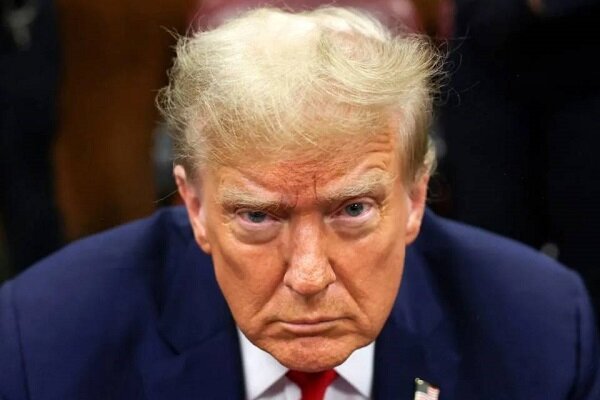
According to the International Desk of Webangah News Agency, Ralph Nader, a former U.S. presidential candidate, has indicated that Donald Trump may face a significantly altered political landscape within the next two years, potentially leading to his resignation before the end of his term. Nader highlighted five key factors that could prompt such a decision.
Chief among these potential catalysts is Trump’s health, with a considerable number of mental health and medical professionals having issued a statement in April concerning his physical and mental well-being. This suggests that fatigue and declining health could be significant drivers for resignation.
The second factor identified is Trump’s potential efforts to evade investigations and political pressures that his administration might encounter. Democrats have repeatedly signaled their intention to pursue a series of investigations into Trump’s conduct.
The future of the Republican Party is presented as the third consideration. A resignation by Trump could pave the way for a peaceful transfer of power to J.D. Vance, allowing him to maintain influence within the U.S. government and prevent a significant setback for Republicans in the midterm elections.
Emerging crises constitute the fourth factor, encompassing threats related to drones, the risks posed by artificial intelligence, the possibility of another pandemic, and natural disasters such as storms, droughts, wildfires, and floods. These concerns have reportedly been raised by Trump’s military and intelligence advisors. Additionally, the report notes the escalating national debt due to substantial military expenditures, tax exemptions, and tax avoidance by the wealthy.
The fifth factor revolves around the claim of fulfilled campaign promises, which Trump could leverage to conclude his presidency. This could be accompanied by stated desires to spend time with family or recommendations from his physicians. The article draws a parallel to Richard Nixon, who resigned in 1974 following a decline in political support within Congress.


