
Israeli Gangs Use Drones and Balloons to Smuggle Drugs into Jordan Amid Rising Prices
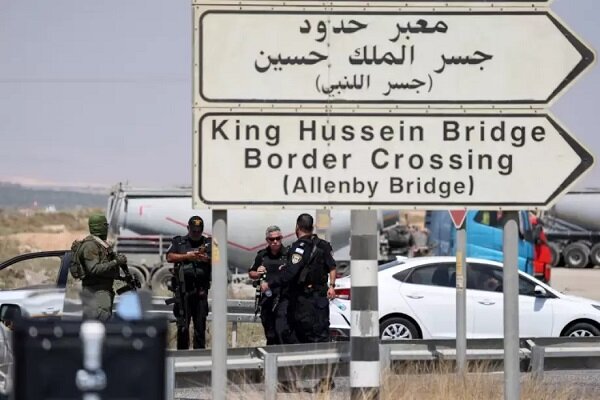
According to the International Desk of Webangah News Agency, the British newspaper The Daily Telegraph revealed that Israeli drug trafficking gangs are using balloons and drones to smuggle narcotics into Jordan, capitalizing on a significant surge in drug prices within the Hashemite Kingdom. The report, citing officials, details the use of quadcopter drones to transport substances like crystal meth (“shishe”), amphetamines, and hashish across borders. Israeli estimates cited by the newspaper indicate that the price of one kilogram of hashish in Jordan has dramatically increased to 7,500 British pounds over the past two years.
In response to the influx of tens of thousands of kilograms of illicit drugs, Jordanian security forces have reportedly intensified patrols and upgraded border and drone surveillance capabilities. This development occurs against a backdrop of repeated claims by the Israeli military and its purported “legal” institutions regarding the seizure of weapons allegedly smuggled from Jordan. Last month, Israeli forces announced the interception of a drone carrying nine Kalashnikov rifles.
A military source quoted by The Daily Telegraph described these Israeli statements as “exaggerated, inaccurate, and representing only a portion of the truth, not the entirety.” The source emphasized that Jordanian border guards have successfully thwarted several attempts to smuggle drugs from occupied territories in recent months. The newspaper further noted that the gangs involved in drug smuggling into Jordan are often the same ones facilitating the introduction of weapons into occupied territories through similar methods. These cross-border gangs reportedly supply a substantial portion of these weapons to organized crime groups.
The Israeli military has refuted claims of laxity in addressing drug smuggling, asserting that it established the “96th Division” last year to bolster the protection of its eastern borders. Simultaneously, alongside enhanced detection, prevention, and interception measures, the construction of a security barrier has commenced. The Daily Telegraph also reported, citing analysts, that Israel’s intervention in southern Syria has influenced the regional drug trade.
The newspaper pointed out that following the ascent of forces loyal to Abu Muhammad al-Julani (Ahmad al-Shar’) to power in 2024, occupying forces gained control of parts of southern Syrian territory. They reportedly expanded their financial, political, and military support for a Druze faction in the Suwayda Governorate as part of a strategy to contain the influence of the new Syrian government. According to the report, Suwayda Governorate has since become a primary hub for drug production in Syria, with the Israeli presence reportedly limiting al-Julani’s government’s ability to intervene and eradicate this trade.
These developments unfold amidst political tensions between Jordan and the Israeli regime, despite the peace treaty signed between the two in 1994. King Abdullah II of Jordan remarked at the United Nations General Assembly last month that a sense of impunity had driven the Israeli regime’s cabinet to “horrific levels,” criticizing Tel Aviv’s “expansionist approach” as a “regional threat.”


