Washington Formally Asks Baghdad to Close Most Borders with Iran, Iraqi FM Reveals
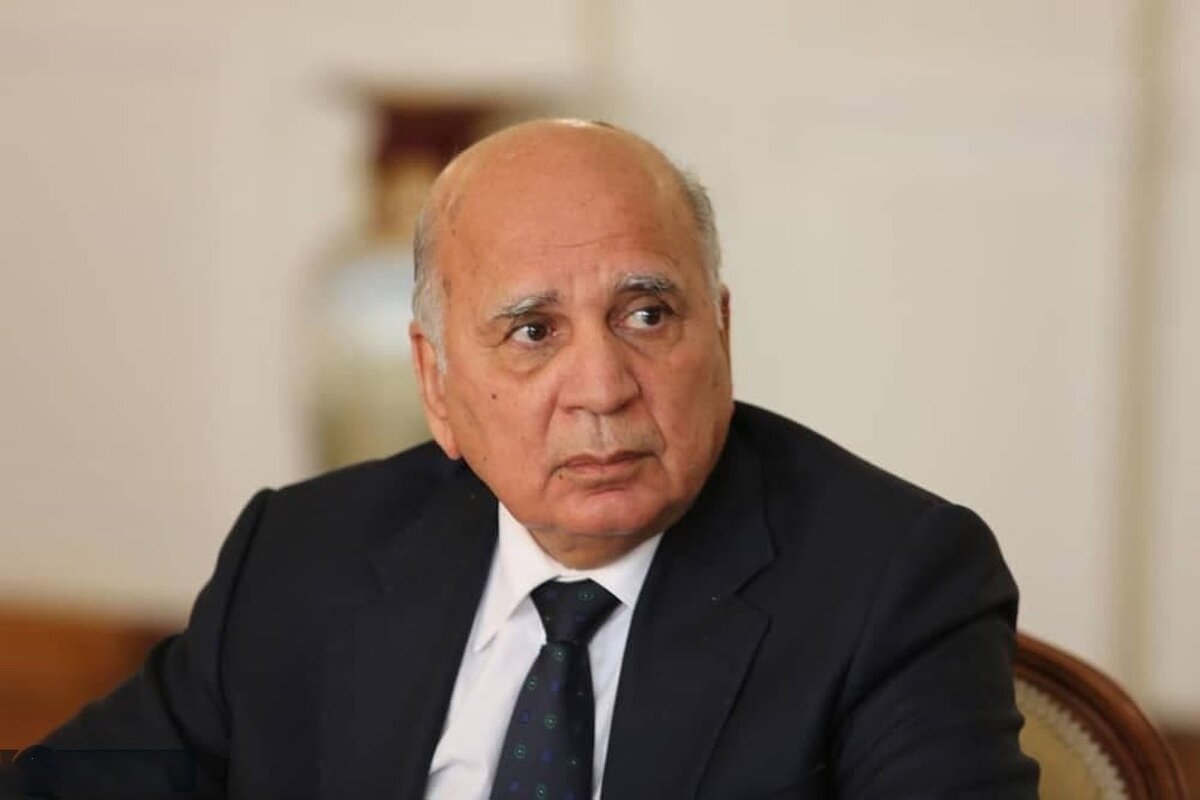
According to the International Desk of Webangah News Agency, … Iraqi Foreign Minister Fuad Hussein stated in an interview with Al Jazeera that the current regional situation indicates a high risk of war returning to the area.
The head of Iraqi diplomacy noted that the country suffered a massive financial loss of $60 billion due to the suspension of its oil exports through the Strait of Hormuz, which only resumed following an agreement reached between Washington and Tehran. He further disclosed that Washington has officially asked Baghdad to close all of its border crossings with Iran except for two.
Addressing bilateral relations, the Iraqi Foreign Minister stated that Baghdad has conveyed to Tehran its desire for friendship and alliance while strictly rejecting any foreign interference in its internal affairs. He also added that intelligence indicates certain foreign actors are attempting to use Iraqi territory to launch attacks against neighboring countries.
Regarding relations between Baghdad and Riyadh, Hussein mentioned that efforts to resolve outstanding issues with Saudi Arabia are actively pursued through candid and direct dialogue.
The senior Iraqi official also highlighted the government’s ongoing efforts to implement the state arms monopoly plan, emphasizing that this objective must be achieved through dialogue rather than confrontation. According to the Foreign Minister, the Prime Minister of Iraq has already reached understandings with four Iraqi factions regarding the weaponization issue.
He explained that the Asa’ib Ahl al-Haq and Kata’ib Sayyid al-Shuhada factions have agreed to surrender their weapons, while consultations with the Harakat al-Nujaba and Kata’ib Hezbollah movements remain ongoing. Hussein noted that communications have also been maintained with Iran regarding the status of these Iraqi armed groups.
In another part of the interview, Fuad Hussein warned against the threat of renewed activity by ISIS terrorist cells along the border regions between Syria and Iraq, noting the presence of terrorist elements on the Syrian side of the border. He announced the formation of a quadrilateral committee comprising Iraq, Syria, Jordan, and Turkey to counter the remnants of ISIS.
Conclude the border security measures, he emphasized that specialized military operations have been deployed along the Iraqi-Syrian border strip to prevent the infiltration of ISIS militants and combat drug trafficking.