
The Yellow Line in Gaza: A New Frontier of Occupation and Suffering
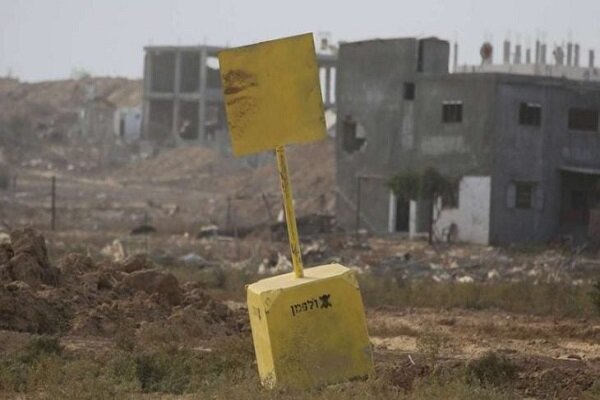
According to the International Desk of Webangah News Agency, the Gaza Strip has long been governed not only by siege and war but also by ‘lines’ that have increasingly restricted Palestinian lives and darkened their future. Among these, the ‘Yellow Line’ is the newest and most dangerous, imposed on Gaza’s geography following the October 2025 ceasefire agreement. Initially presented as a temporary withdrawal boundary for Israeli forces, the line has instead solidified occupation, deepened military control, and facilitated demographic engineering. Today, the Yellow Line is not just a military term but a harsh reality suspending the daily lives of hundreds of thousands of Palestinians between home, displacement, and death.
The concept of the Yellow Line emerged officially after the ceasefire agreement between Israel and Hamas in October 2025. Israel framed it as a temporary operational boundary, but rapid fortification with yellow concrete blocks, sustained military presence, and ongoing security operations revealed its permanence. Geographically, the line stretches along eastern Gaza, covering 52-58% of the territory, including vital agricultural land, infrastructure, and residential areas—now effectively death zones.
Israeli officials have openly referred to the Yellow Line as a ‘new border,’ signaling a shift from ceasefire logic to enduring occupation. For Palestinians near the line, life is marked by constant drone surveillance, gunfire, and artillery shelling. Internal displacement has surged as eastern Gaza residents flee to overcrowded western areas. Meanwhile, local armed groups, allegedly linked to Israeli security forces, exploit the security vacuum behind the line. Israel conditions any withdrawal on Hamas’s disarmament and removal from power, turning the Yellow Line into a political lever. Critics warn it risks becoming a model for permanent occupation, perpetuating cycles of violence and injustice.


