
Germany Fails to Secure UN Security Council Seat Amid Israel Stance
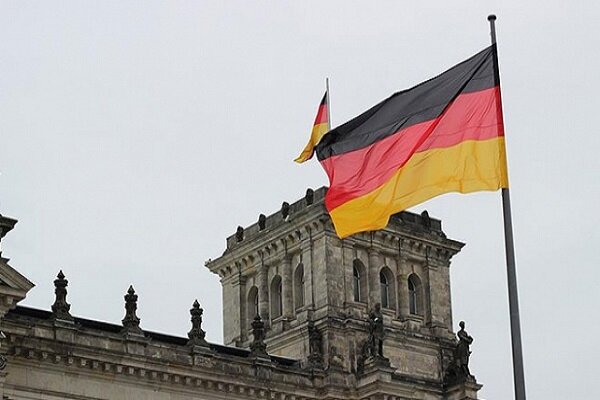
According to the International Desk of Webangah News Agency, Germany has experienced a significant diplomatic defeat, failing to obtain a non-permanent seat on the United Nations Security Council. This outcome is largely attributed to international reactions stemming from Berlin’s strong backing of the Israeli regime.
In the vote held at the UN General Assembly, Germany fell behind its competitors, Portugal and Austria, thus losing one of the two seats designated for the Western Europe and Other Countries group for the 2027-2028 period. During the balloting, Germany garnered only 104 votes, falling significantly short of the required two-thirds majority of 127 votes needed for victory. Portugal led the voting with 134 votes, followed by Austria with 131 votes.
This marks the first instance of Germany’s failure in its bid to secure a seat on the UN’s most powerful body. German Foreign Minister Annalena Baerbock acknowledged that Germany’s support for Israel might have “contributed to achieving such a result in the voting,” as only 104 General Assembly members voted in favor of Berlin’s continued membership on the council, a figure well below the necessary two-thirds majority.
German Chancellor Olaf Scholz and his administration had vigorously campaigned for this seat, pledging to utilize it to uphold international law and support initiatives aimed at strengthening the UN’s role in global peace and stability. However, Berlin’s endeavor encountered considerable obstacles. Diplomats and analysts had pointed out prior to the vote that Germany’s comprehensive support for Israel and its reluctance to adopt a firmer stance against the Israeli regime, despite alleged war crimes in Gaza, had emerged as a significant impediment, potentially costing crucial votes from member states.
The United Nations Security Council comprises 15 members. Its five permanent members—Russia, China, the United States, the United Kingdom, and France—hold veto power. The council’s primary responsibility is to maintain international peace and security, a mission that has been undermined by the unilateral actions of some members, leading to inefficiencies on numerous occasions.
The ten non-permanent members of the Security Council are elected by the UN General Assembly. These selections take into account member states’ contributions to maintaining international peace and security, as well as other organizational objectives and equitable geographical distribution. Non-permanent members serve two-year terms, with five new members elected each year.


