
Regional Analyst Highlights Three Key Saudi Mistakes in Yemen Conflict
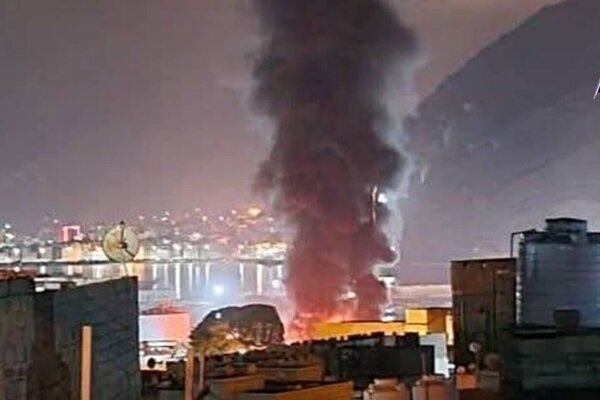
According to the International Desk of Webangah News Agency, a regional analyst has underscored three significant missteps by Riyadh concerning the ongoing crisis in Yemen, noting that these strategic errors are intertwined with broader regional dynamics involving Iran and the United States. Najah Mohammad Ali, an Iraqi researcher specializing in regional affairs, stated that Saudi Arabia, alongside the U.S. and the Israeli regime, is actively contributing to escalating regional tensions, whether through the Iran crisis or by persisting with the blockade and attacks on Yemen’s airports, ports, and airspace.
The researcher emphasized that the targeting of Sana’a Airport aims to drag the region into a full-scale war. He predicted that Yemen’s response would not be confined to a simple ‘airport for airport’ or ‘port for port’ exchange, as regional issues from Yemen to Iran, Iraq, Lebanon, and Palestine are interconnected, and any new confrontation will link these fronts.
Najab Mohammad Ali detailed three primary mistakes made by Riyadh in managing regional developments:
1. Tactical Error: By attacking Sana’a Airport, Saudi Arabia has enabled Yemen to directly enter the fray under the guise of ‘self-defense’ in response to any regional confrontation related to Iran.
2. Strategic Error: Saudi Arabia’s economic dependence on oil has left its critical oil facilities vulnerable and unprotected against military operations.
3. Political Error: Riyadh’s insistence on remaining part of the American-Israeli coalition in the region, at a time when the world is shifting towards a multipolar system, is considered a clear political miscalculation.
Regarding Yemen’s response to Saudi attacks, Najah Mohammad Ali asserted that the strike on Abha Airport was merely an initial message, and the battle to lift the blockade has entered a new phase. He suggested this action might signify the beginning of the end of the Yemeni blockade.
The Iraqi researcher concluded by noting that the targeting of Sana’a has granted Yemenis the legitimate right to undertake more extensive actions after 11 years of resisting aggression and blockade by Saudi Arabia and the United States. These actions could include establishing new equations in the Bab el-Mandeb Strait and the Red Sea.


