
US Faces Significant Challenges in Replenishing Arms Stockpiles After Conflict With Iran, New York Times Reports
According to the International Desk of Webangah News Agency, The New York Times has reported that the war against Iran has led to a concerning depletion of American arms reserves, a fact corroborated by the U.S. Department of War and congressional officials. The report indicates that approximately 1,100 long-range stealth cruise missiles, specifically designed for potential engagement with China, have been expended. Furthermore, over 1,000 Tomahawk missiles, nearly ten times the number the U.S. military purchases annually, were deployed.
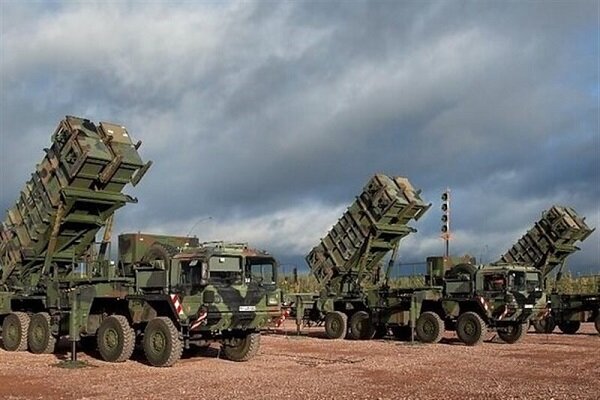
In addition, more than 1,200 Patriot interceptor missiles, each costing over $4 million, were utilized during this conflict. The report also details the firing of over 1,000 ground-launched PRISM (precision strike missiles) and ATACMS (Advanced Tactical Missile Systems) missiles.
The article states that despite efforts by the Trump administration to accelerate weapons production, attempts to replace expended munitions are encountering financial and manufacturing challenges. Recent White House meetings have seen President Trump and senior Pentagon officials exploring two primary strategies: urging contractors to expedite the production of used munitions and pressuring lawmakers to approve additional funding to cover the war’s expenses.
However, President Trump’s request for $70 billion to finance the war is expected to face strong opposition from Congress. Contractors informed the President during a White House meeting last Wednesday that they require additional funding to finance the expansion of their production lines. U.S. officials acknowledge that repeated announcements regarding increased ammunition production have not yet translated into actual capacity expansion.
The New York Times further reported that the depletion of these arms and ammunition reserves significantly limits the Pentagon’s capacity to conduct future wars, particularly against superpowers like China, as resolving this issue could take several years. Citing Tara Murphy Dougherty, CEO of the software company Foresee, the newspaper highlighted that the U.S. faces a deep and dangerous gap between the needs of forces in the field and the capabilities of the national security system. This imbalance stems from multiple factors, including unintegrated systems and outdated military procurement mechanisms that cause lengthy delays in launching new weapons programs or maintaining existing equipment.


